Why Integrated MEP Design Is Critical for Modern Commercial Buildings
Introduction:
In today’s fast-evolving construction landscape, the demand for high-performance commercial buildings is greater than ever. Energy efficiency, occupant comfort, sustainability, and operational cost-effectiveness are now baseline expectations. To meet these goals, one aspect has become increasingly vital: integrated MEP design. By unifying mechanical, electrical, and plumbing systems into a coordinated strategy from day one, commercial MEP consultants can deliver smarter, more efficient buildings. This article explores why integrated MEP design is not just beneficial—but essential for modern commercial development.
The Foundation: What Is Integrated MEP Design?
Integrated MEP design is a collaborative approach that ensures mechanical, electrical, and plumbing (MEP) systems are developed as a cohesive unit—like a symphony orchestra, where each instrument contributes to a unified performance rather than playing in isolation. Unlike traditional design silos where each discipline works independently, integrated MEP engineering services synchronize all three systems from the start.
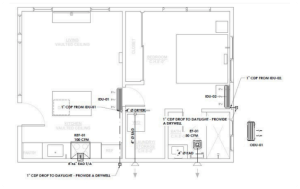
This approach enables early detection of clashes, optimized spatial planning, and better alignment with architectural intent. When MEP engineers work in tandem with architects and structural teams, the result is a streamlined design process and improved construction outcomes.
Practical Benefits of Integrated MEP Design
1. Enhanced Energy Efficiency
With energy codes becoming stricter, energy-efficient design is no longer optional. Integrated MEP design facilitates whole-building energy modeling and load calculations early in the design phase. For instance, HVAC sizing can be optimized based on real-time architectural data, and lighting design can be synchronized with natural daylight availability. This synergy minimizes energy consumption and maximizes system performance.
2. Cost and Time Savings
By addressing coordination and system integration early, commercial MEP consultants can reduce costly on-site conflicts and change orders during construction. Prefabrication of MEP components becomes more viable when the design is integrated, resulting in faster installation timelines and reduced labor costs.
3. Space Optimization
MEP systems are among the most space-consuming components in a commercial building. Integrated design allows for more strategic placement of ducts, conduits, and piping, conserving valuable floor area. For example, a shared ceiling zone for HVAC and electrical systems can reduce overhead congestion and improve serviceability.
4. Improved System Performance
A building’s mechanical, electrical, and plumbing systems don’t operate in isolation. HVAC systems rely on electrical supply; plumbing systems interact with HVAC through heat recovery or condensate handling. Integrated MEP design ensures these interactions are efficient and intentional, improving overall building performance and reducing operational issues.
5. Greater Flexibility for Future Adaptations
Commercial buildings often undergo tenant fit-outs and functional changes. A well-integrated MEP system is easier to adapt without disrupting other systems. For instance, zone-based HVAC or modular electrical systems can support flexible workspace layouts, making buildings more future-ready.
Role of Technology in Integrated MEP Design
Modern tools like Building Information Modeling (BIM) have revolutionized MEP engineering services. BIM enables 3D coordination, clash detection, and accurate quantity take-offs. When integrated with simulation tools for energy and lighting analysis, BIM becomes a powerhouse for design validation.
Cloud-based collaboration platforms also allow real-time updates among stakeholders. This fosters transparency and reduces rework. A truly integrated MEP design process leverages these tools to connect design intent with construction execution seamlessly.
Case Study: Office Tower Retrofit
A recent retrofit of a 25-story office tower in downtown Chicago demonstrates the power of integrated MEP design. The building required major HVAC upgrades, lighting modernization, and plumbing replacement all without displacing tenants.
The commercial MEP consultants adopted a unified design strategy using BIM and phased construction. Mechanical and electrical systems were designed to share risers and ceiling space, while plumbing routes were coordinated to avoid high-traffic areas. The result: a 30% energy savings, minimal disruption, and a future-ready infrastructure all delivered on schedule.
Challenges and Solutions in Integrated MEP Design
1. Stakeholder Alignment
Getting all disciplines to collaborate from the outset can be challenging. Early kick-off meetings and shared project goals help foster alignment. Experienced commercial MEP consultants often lead this process.
2. Design Complexity
Coordinating multiple systems in tight spaces increases design complexity. Advanced modeling tools and experienced engineers are critical in solving these challenges without compromising performance.
3. Cost Perception
Some developers perceive integrated design as more expensive. However, long-term savings in energy, maintenance, and construction often far outweigh initial costs. For example, a project that invests 5% more in design coordination might avoid 15% in unforeseen construction costs later.
Conclusion: A Smart Investment for Modern Buildings
Integrated MEP design is not a luxury it’s a necessity for the modern commercial built environment. It drives efficiency, reduces risk, improves performance, and prepares buildings for future demands. With the right MEP engineering services and technology stack, developers can achieve higher ROI, faster delivery, and better occupant experiences.
As the industry continues to prioritize sustainability, smart buildings, and user comfort, integrated MEP design stands out as a cornerstone of success. Partnering with knowledgeable commercial MEP consultants ensures your next project not only meets expectations but exceeds them.