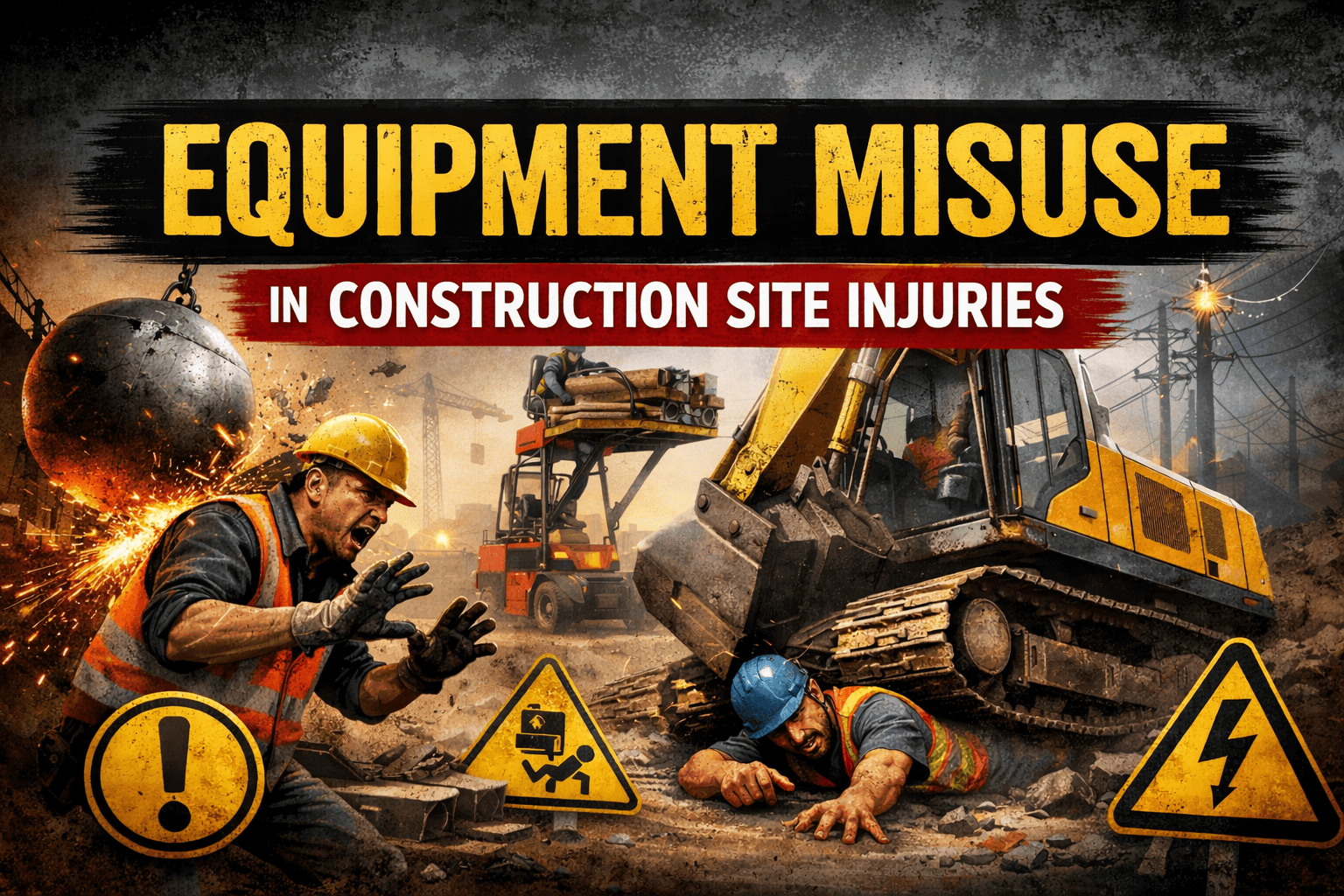
The Role of Equipment Misuse in Construction Site Injuries
Introduction
Construction equipment is powerful.
It lifts tons of material.
It cuts through steel.
It moves earth in minutes.
But with that power comes risk.
When equipment is used properly, it improves efficiency and safety.
When it is misused, it becomes one of the leading causes of injuries on construction sites.
Equipment misuse is rarely intentional.
It often results from poor training, time pressure, or weak supervision.
Sometimes it stems from complacency.
Regardless of the cause, the consequences can be severe.
Crush injuries.
Amputations.
Electrocutions.
Fatal struck-by incidents.
Understanding how equipment misuse contributes to injuries is the first step toward prevention.
Understanding Equipment Misuse
Equipment misuse does not always mean reckless behavior.
It includes any use outside manufacturer guidelines or safety standards.
Examples include:
- Operating machinery
without proper training - Disabling safety guards
- Overloading lifting
equipment - Using tools for unintended purposes
- Ignoring maintenance requirements
These actions increase mechanical stress and human risk.
They also create unpredictable hazards.
Construction sites depend heavily on heavy equipment and power tools.
Even small misuse can escalate quickly.
Common Equipment Linked to Injuries
Certain types of equipment are frequently involved in accidents.
Heavy Machinery
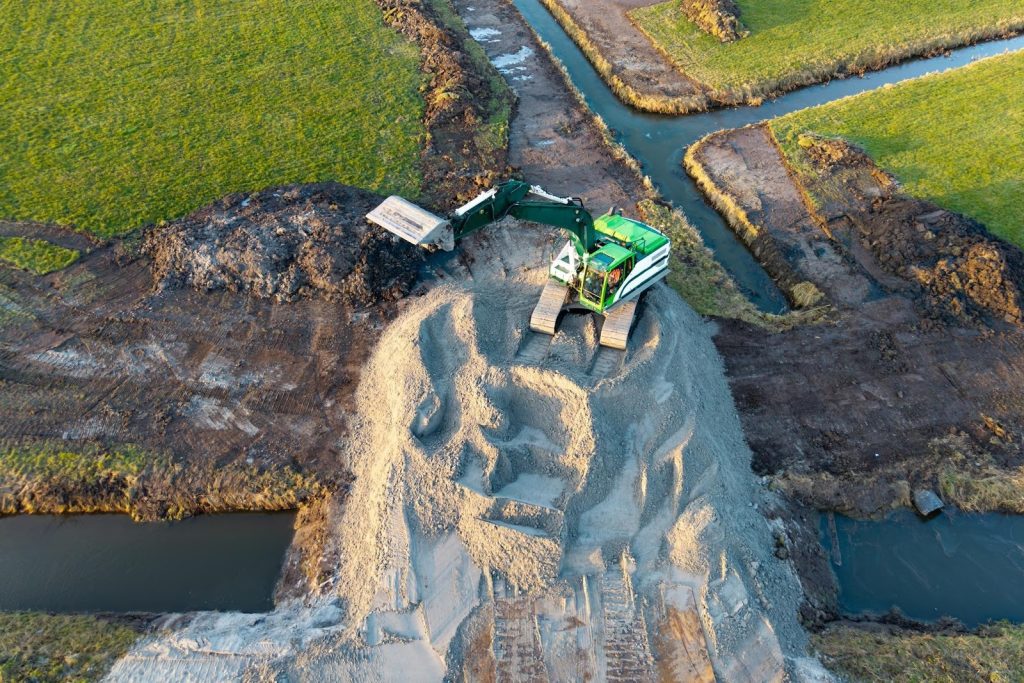
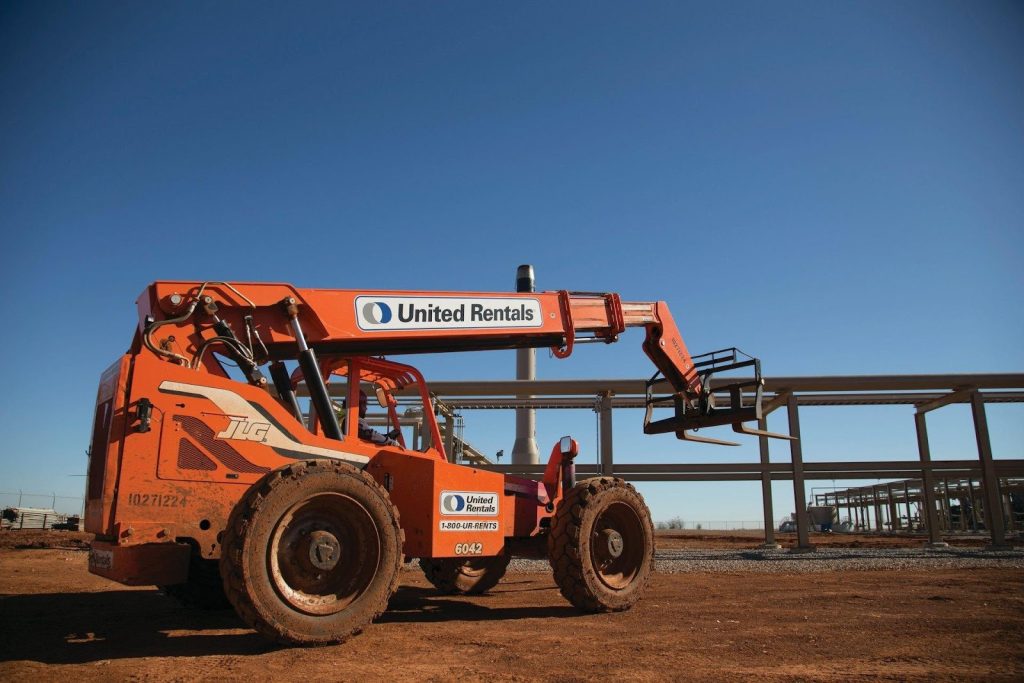
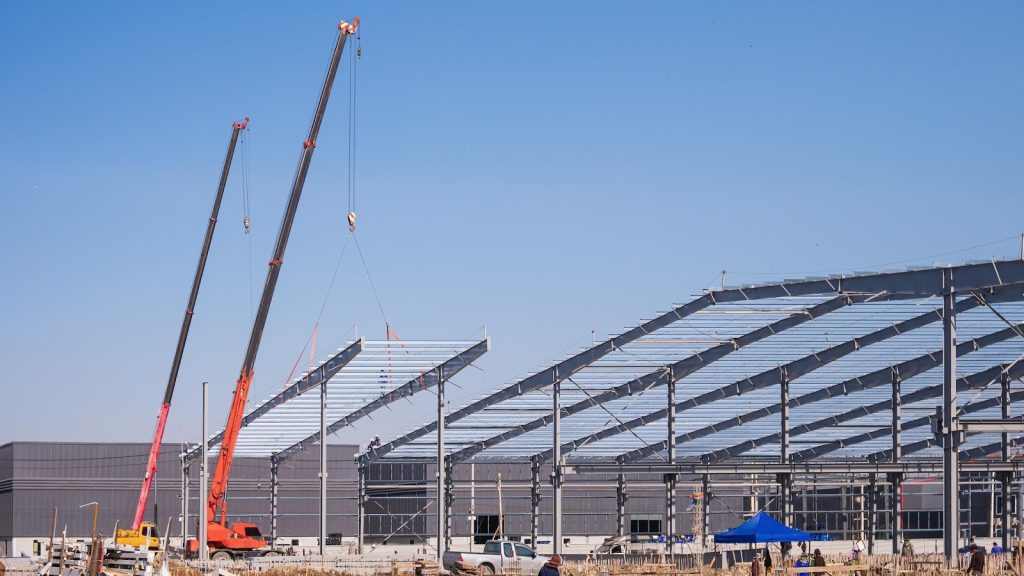
Heavy equipment includes excavators, forklifts, cranes, and bulldozers.
These machines weigh thousands of pounds.
Misuse can result in:
- Equipment rollovers
- Struck-by incidents
- Load drops
- Crushing accidents
Improper load balancing or ignoring blind spots increases risk significantly.
Power Tools
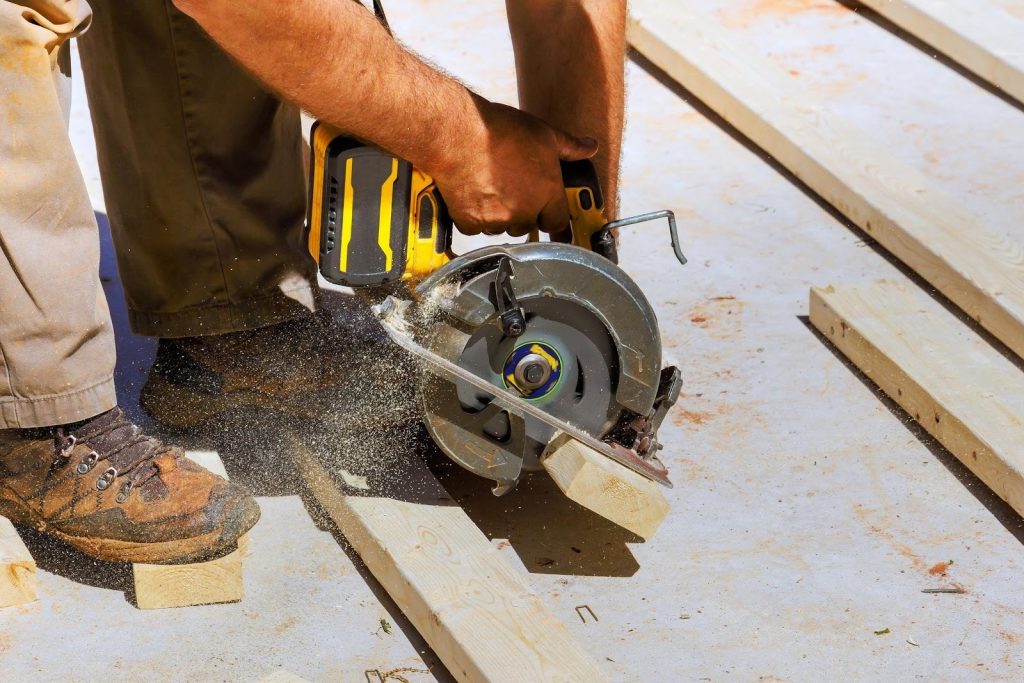
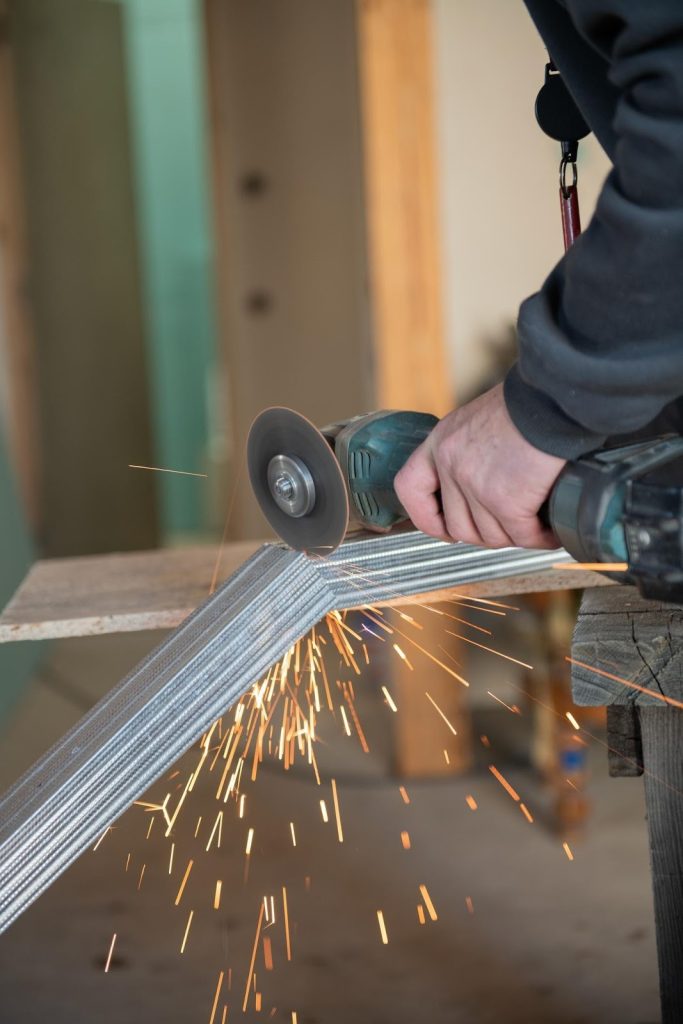
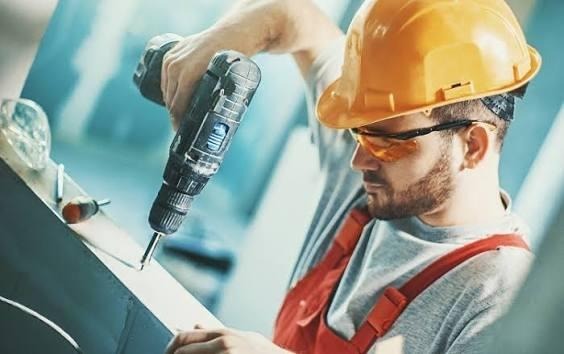
Power tools seem less dangerous than heavy equipment.
But they cause frequent injuries.
Common misuse includes:
- Removing blade guards
- Using dull or damaged blades
- Improper grip or stance
- Bypassing trigger safety features
These shortcuts lead to lacerations, eye injuries, and puncture wounds.
Struck-By and Caught-In Accidents
According to the Occupational Safety and Health Administration, struck-by and caught-in/between incidents are among the leading causes of construction fatalities.
Equipment misuse often plays a central role.
For example:
- A forklift operator exceeding load limits
- A crane lifting beyond rated capacity
- Workers standing inside swing radiuses
- Operators reversing without spotters
Each situation reflects misuse or failure to follow protocol.
These incidents are often sudden and severe.
They leave little time for reaction.
Overconfidence and Complacency
Experienced operators sometimes feel comfortable bending rules.
They may skip pre-operation inspections.
They may assume familiarity equals safety.
Over time, small shortcuts become habits.
This behavior increases risk because:
- Minor defects go unnoticed
- Warning signs are ignored
- Unsafe conditions normalize
Complacency is difficult to measure.
But it is a major contributor to injuries.
Inadequate Training and Certification
Operating heavy equipment requires skill.
Yet not all operators receive sufficient hands-on training.
Some workers learn informally from peers.
Others are rushed onto equipment due to labor shortages.
Without proper instruction, operators may:
- Misjudge load capacities
- Misunderstand machine limitations
- Fail to recognize instability risks
- React improperly during emergencies
Formal certification and ongoing training reduce these risks.
Skill development must match equipment complexity.
Maintenance Neglect and Equipment Failure
Misuse includes ignoring maintenance protocols.
Equipment must be inspected regularly.
Hydraulic systems wear down.
Brakes degrade.
Electrical systems fail.
If inspections are skipped, mechanical failures occur unexpectedly.
For example:
- Worn cables snapping under load
- Brake failures causing rollaways
- Hydraulic leaks reducing stability
These failures are often preventable.
Routine maintenance is a safety requirement, not a luxury.
Using Equipment for Unintended Purposes
Improvisation is common on busy sites.
Workers sometimes use equipment in ways it was not designed for.
Examples include:
- Standing on forklift forks as a work platform
- Using ladders horizontally as makeshift scaffolds
- Modifying tools for speed
- Using cranes to drag loads instead of lifting
These shortcuts may save minutes.
They can cost lives.
Manufacturer guidelines exist for a reason.
Ignoring them removes engineered safety protections.
Time Pressure and Productivity Demands
Construction schedules are tight.
Delays cost money.
When productivity is prioritized over safety, equipment misuse increases.
Operators may:
- Skip safety checks
- Speed through tasks
- Ignore weather conditions
- Continue operating malfunctioning machines
Leadership culture strongly influences this behavior.
If deadlines consistently override safety, misuse becomes routine.
Poor Supervision and Enforcement
Safety rules are only effective if enforced.
If supervisors ignore violations, workers assume they are acceptable.
If discipline is inconsistent, compliance weakens.
Strong oversight ensures that:
- Only authorized operators use equipment
- PPE requirements are followed
- Safety zones remain enforced
- Hazardous behaviors are corrected immediately
Accountability reduces misuse significantly.
Environmental Factors That Increase Misuse Risk
Site conditions influence equipment safety.
Poor lighting reduces visibility.
Uneven terrain increases rollover risk.
Extreme weather affects equipment stability.
When operators fail to adjust to these conditions, misuse occurs.
For instance:
- Operating cranes in high winds
- Driving forklifts on unstable ground
- Using electrical tools in wet conditions
Planning and environmental awareness must guide equipment use.
Human Factors and Fatigue
Fatigue impairs judgment.
Long shifts reduce reaction time.
Stress affects decision-making.
Equipment misuse often increases at the end of shifts.
Tired operators may:
- Miscalculate distances
- Overlook hazards
- Forget procedures
- React slowly to sudden issues
Managing shift length and rest breaks improves safety outcomes.
Legal and Financial Consequences
Equipment-related injuries trigger investigations.
Insurance claims increase.
Projects may shut down temporarily.
Regulatory agencies review compliance with standards set by the Occupational Safety and Health Administration.
Violations can result in fines and citations.
Beyond financial costs, reputational damage can impact future projects.
Prevention is far less expensive than recovery.
How to Reduce Equipment Misuse
Preventing misuse requires structured action.
1. Enforce Operator Certification
Ensure only trained personnel operate machinery.
Maintain documentation of qualifications.
2. Conduct Daily Equipment Inspections
Use checklists before each shift.
Address defects immediately.
3. Reinforce Manufacturer Guidelines
Provide access to manuals.
Post load capacity charts visibly.
4. Strengthen Supervision
Assign safety monitors during high-risk operations.
Correct unsafe behavior immediately.
5. Promote a Safety-First Culture
Encourage workers to report misuse without fear.
Reward compliance and responsible operation.
6. Limit Fatigue
Manage overtime carefully.
Rotate operators when possible.
Safety improves when systems support safe behavior.
The Role of Leadership
Management sets expectations.
If leaders tolerate shortcuts, misuse increases.
If they emphasize accountability, compliance strengthens.
Leaders should:
- Conduct site
walkthroughs - Discuss equipment safety regularly
- Allocate budget for maintenance
- Invest in ongoing training
Safety must be visible at every level of the organization.
Conclusion
Construction equipment is essential to modern building projects.
But when misused, it becomes a serious hazard.
Equipment misuse contributes to struck-by incidents, crush injuries, and fatalities.
It often stems from poor training, time pressure, complacency, or weak supervision.
The solution is not complicated.
It requires discipline, accountability, and leadership commitment.
Certified operators.
Routine inspections.
Strict enforcement of guidelines.
Continuous training.
When equipment is respected and used correctly, it enhances productivity safely.
When shortcuts replace standards, injuries follow.
On construction sites, equipment safety is not optional.
It is fundamental to protecting workers and ensuring project success.