The Role of Civil Engineering Design in Sustainable Infrastructure Development
Introduction:
Sustainability is no longer a buzzword it’s a mandate. As global challenges like climate change, urbanization, and resource scarcity intensify, civil engineering plays a pivotal role in building the resilient, eco-conscious infrastructure of tomorrow. Civil engineering design services are at the core of this transformation, blending environmental stewardship with technical excellence to shape smart, sustainable communities.
This article delves into the crucial role civil engineers play in delivering infrastructure engineering solutions that balance functionality, economy, and sustainability.
What Is Sustainable Civil Engineering?
Sustainable civil engineering refers to the design, construction, and maintenance of infrastructure in a way that minimizes environmental impact, conserves natural resources, and promotes long-term resilience. It incorporates: – Low-impact development (LID) strategies – Green infrastructure (bioswales, permeable pavements, rain gardens) – Energy-efficient transportation networks – Water-sensitive urban design (WSUD)
For example, designing a parkway with rain gardens and bike lanes helps manage stormwater while encouraging low-carbon commuting. By integrating sustainable civil engineering practices early in the project lifecycle, designers help cities reduce carbon emissions, enhance biodiversity, and manage stormwater more effectively.
The Importance of Civil Engineering Design Services
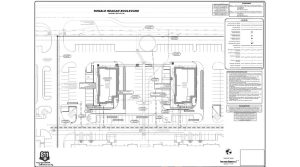
Civil engineering design services form the foundation of infrastructure development. These services include site analysis, grading and drainage plans, road and utility layout, stormwater management systems, and erosion control.
When sustainability is prioritized from the start, these design elements are tailored to reduce runoff, optimize land use, and support green building certifications such as LEED or Envision.
For example, sustainable site development engineering may involve: – Aligning roads with topography to reduce earthwork – Using native vegetation to stabilize soil – Designing detention ponds that double as community green spaces
Infrastructure Engineering Solutions for Sustainable Growth
The role of civil engineers extends beyond drawing plans—they solve complex problems across diverse sectors:
1. Transportation Networks
Designing multimodal corridors, bike lanes, and pedestrian-friendly streets to reduce vehicle dependency and cut emissions.
2. Stormwater Management
Replacing traditional concrete channels with bioswales, green roofs, and permeable surfaces that filter pollutants and replenish groundwater.
3. Urban Redevelopment
Reclaiming brownfield sites and revitalizing aging infrastructure using eco-friendly materials and energy-conscious design principles.
4. Renewable Energy Projects
Supporting wind and solar installations with efficient site grading, access roads, and utility connections—all engineered for durability and minimal disruption.
Tools and Technologies Enhancing Sustainability
Modern civil engineering design services leverage cutting-edge tools like: – Geographic Information Systems (GIS) for environmental analysis – Civil 3D and BIM for optimized modeling and coordination – Hydraulic modeling software for flood risk prediction
These tools help engineers visualize long-term impacts and model sustainable scenarios, enabling better decision-making and stakeholder engagement.
Case Study: Sustainable Site Development for a Tech Campus
A leading Silicon Valley software company sought to build a new innovation campus with a net-zero footprint. The civil engineering team implemented site development engineering strategies that included: – Rainwater harvesting systems – Permeable pavement parking lots – On-site wetlands for stormwater filtration
These infrastructure engineering solutions not only minimized environmental disruption but also supported the client’s sustainability goals and earned LEED Platinum certification.
Challenges in Implementing Sustainable Civil Engineering
Despite its benefits, sustainable design faces several hurdles: – Budget limitations for green materials – Regulatory constraints or outdated codes – Resistance to change in construction practices
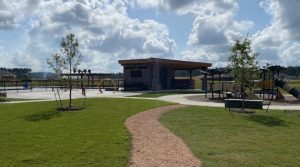
One example: a municipal park upgrade project in the Midwest initially faced funding and permitting challenges when proposing bioswales instead of traditional curbs and gutters. Civil engineers demonstrated long-term maintenance savings and gained community buy-in, resulting in successful implementation.
Experienced civil engineers navigate these challenges by: – Demonstrating lifecycle cost savings – Advocating for flexible permitting – Educating clients on long-term benefits
Conclusion: Building the Future Responsibly
Civil engineering is more than site plans and permits—it’s a powerful force for sustainable transformation. Through innovative design, responsible material choices, and strategic site planning, civil engineering design services help communities build infrastructure that stands the test of time without compromising the planet.
As the need for climate-resilient infrastructure grows, investing in sustainable civil engineering isn’t just a smart decision; it’s a moral imperative. Partnering with forward-thinking civil engineers ensures that every road, drainage system, and development is a step toward a greener, more resilient future.