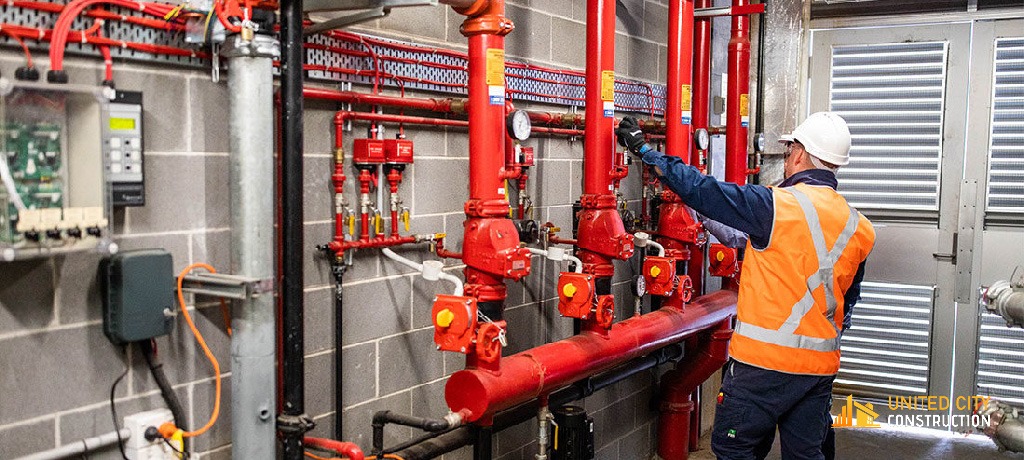
The Importance of Fire Protection Engineering in Modern Commercial Buildings
In today’s commercial construction landscape, safety is more than a requirement it’s a responsibility. Among the most critical aspects of building safety is fire protection. As buildings grow more complex and densely occupied, fire protection engineering services have become essential to protecting life, property, and business continuity.
Whether you’re planning a new commercial facility or upgrading an existing one, integrating effective fire protection systems into your design is not optional—it’s a necessity. In this article, we explore the role of fire protection engineering, its core components, and why engaging qualified professionals is key to achieving safety, compliance, and performance.
What Is Fire Protection Engineering?
Fire protection engineering is the application of engineering principles to protect people and property from fire hazards. It combines science, technology, and code expertise to design systems that detect, contain, and suppress fires before they become catastrophic.
Fire protection engineers focus on:
- Fire detection and alarm systems
- Fire suppression systems (sprinklers, standpipes, extinguishers)
- Smoke control and evacuation modeling
- Code compliance and life safety evaluations
- Passive fire protection (fire-rated walls, doors, barriers)
These systems are planned in coordination with architectural, mechanical, and electrical designs to ensure seamless operation during emergencies.
Key Components of Commercial Fire Safety Systems
1. Fire Sprinkler Systems
A cornerstone of modern fire protection, sprinkler systems are required in most California commercial buildings. Proper fire sprinkler design ensures water coverage aligns with hazard levels, occupancy type, and local code.
2. Fire Alarm and Detection
These systems alert occupants and emergency personnel at the first sign of smoke or heat. Fire protection consultants ensure devices are correctly placed, integrated with HVAC systems, and designed to meet local requirements.
3. Smoke Control Systems
For larger commercial buildings, controlling smoke movement is vital to allow safe evacuation. Engineering includes airflow modeling, pressure zoning, and fan activation tied into fire alarms.
4. Egress and Life Safety Planning
Safe occupant evacuation is a key priority. Engineers assess travel distances, stairwell pressurization, signage, and emergency lighting to help occupants exit quickly and safely.
5. Passive Fire Protection
This involves selecting materials and building assemblies that resist fire spread—such as fire-rated walls, firestopping around penetrations, and protected structural components.
Why Fire Protection Engineering Matters in Modern Construction
1. Code Compliance and Liability
California’s fire and building codes are among the strictest in the nation. Failure to comply can lead to permit delays, fines, insurance issues, or legal consequences. Fire protection engineers ensure compliance with the California Fire Code, NFPA standards, and local AHJ (Authority Having Jurisdiction) requirements.
2. Risk Reduction
Fires in commercial buildings can lead to devastating losses both human and financial. A well-designed fire protection system minimizes this risk, ensuring early detection, rapid suppression, and safe evacuation.
3. Insurance and Operational Continuity
Robust fire protection can reduce insurance premiums and help businesses recover quickly after a fire. Some insurers require documented designs from certified fire protection consultants to issue or maintain coverage.
4. Design Integration
Fire protection systems must work in harmony with other building systems. Coordinated designs avoid conflicts with HVAC, electrical, or plumbing components, ensuring performance and code compliance.
5. Future-Proofing Buildings
As fire codes evolve, buildings designed with flexibility and robust protection in mind will adapt more easily to future standards saving time and money in long-term maintenance and upgrades.
The Role of Fire Protection Consultants
Qualified fire protection consultants bring deep expertise in codes, system performance, and coordination. They help project teams:
- Perform fire risk assessments
- Prepare fire alarm and sprinkler drawings
- Model smoke control and egress
- Coordinate with local fire departments and AHJs
- Oversee system testing and commissioning
Involving consultants early in design avoids late-stage revisions and ensures systems are optimized for cost and performance.
Best Practices for Commercial Fire Protection Design
- Engage early: Bring in fire protection engineers at the concept phase.
- Coordinate fully: Align fire protection with mechanical, electrical, and architectural systems.
- Follow the latest codes: Stay current with NFPA, IBC, and California Fire Code updates.
- Test thoroughly: Include functional testing, flow tests, and alarm verification in commissioning.
- Design for resilience: Plan for equipment redundancy and system expandability.
Conclusion: Building Safer Commercial Spaces
In modern commercial construction, fire protection engineering is more than a code requirement—it’s a critical investment in life safety, property protection, and long-term resilience. By prioritizing thoughtful fire protection design and engaging qualified consultants, building owners and developers can create spaces that are both safe and future-ready.
From high-rises to retail centers, GDI Engineering delivers comprehensive fire protection engineering services tailored to California’s rigorous codes and modern building needs. Let’s design safer spaces together.