
The Hidden Dangers of Rushing Construction Projects to Meet Deadlines
Introduction
Deadlines drive construction.
Contracts define completion dates.
Owners expect timely delivery.
Delays cost money.
But when speed becomes the primary focus, safety often suffers.
Rushing a construction project may seem like a productivity strategy.
In reality, it introduces hidden risks that can derail the entire job.
Compressed schedules increase pressure.
Pressure increases shortcuts.
Shortcuts increase accidents.
Many serious construction injuries occur when crews feel forced to move faster than conditions safely allow.
This article explores how rushing projects contributes to accidents, quality failures, and long-term financial consequences.
The Psychology of Deadline Pressure
Construction environments are already demanding.
Add a tight deadline, and stress levels rise quickly.
Workers may:
- Skip safety checks
- Overlook minor hazards
- Ignore fatigue
- Take procedural shortcuts
Supervisors may push crews to “just get it done.”
That mindset shifts focus from safety to speed.
Under pressure, decision-making quality declines.
Reaction time slows.
Risk tolerance increases.
When urgency replaces discipline, accidents follow.
Increased Likelihood of Skipping Safety Protocols
Safety procedures take time.
Equipment inspections require attention.
Toolbox talks require discussion.
When schedules compress, these steps are often shortened or skipped entirely.
According to the Occupational Safety and Health Administration, many workplace accidents stem from failure to follow established safety standards.
Common shortcuts include:
- Not wearing required PPE
- Bypassing lockout/tagout procedures
- Removing machine guards
- Failing to secure fall protection systems
Each shortcut may save minutes.
But it significantly increases injury risk.
Fatigue and Extended Work Hours
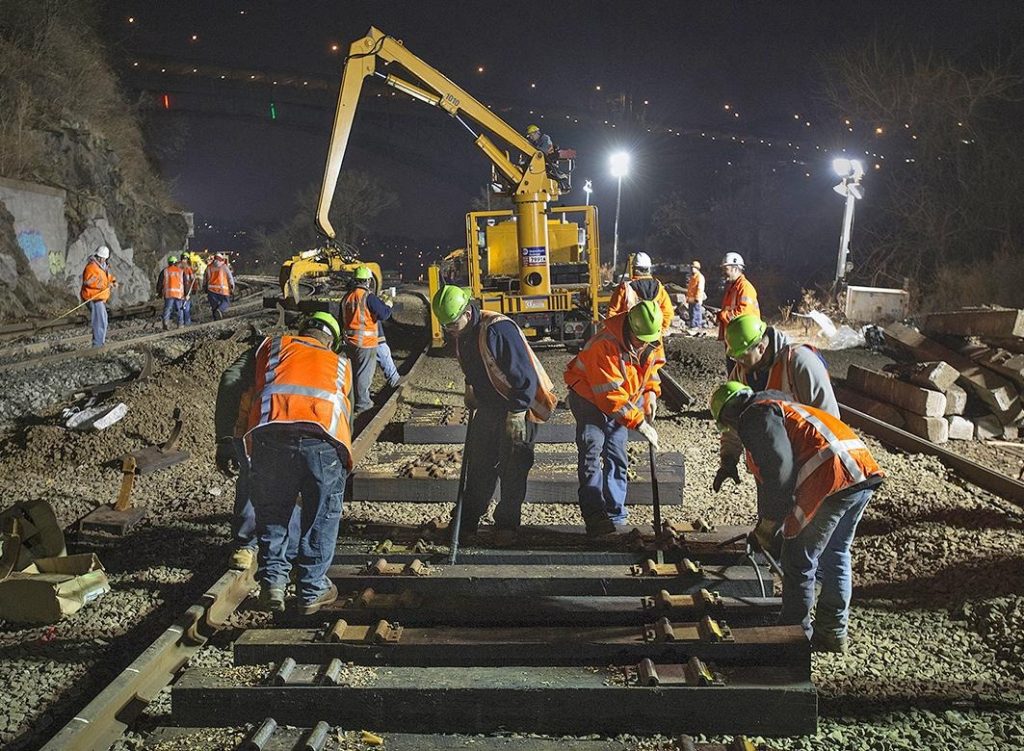
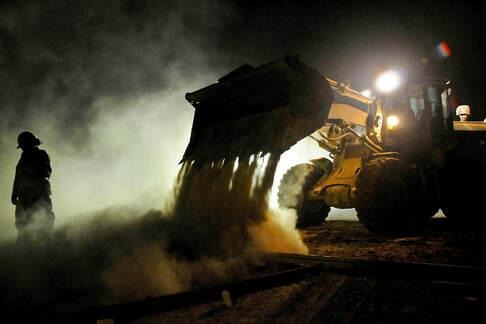
To meet aggressive deadlines, companies often extend shifts.
Overtime becomes routine.
Weekend work increases.
Fatigue affects:
- Judgment
- Coordination
- Reaction time
- Hazard recognition
Tired workers are more likely to misjudge distances.
They may forget procedures.
They may operate equipment unsafely.
Research consistently shows fatigue increases workplace injury rates.
Rest is not a luxury.
It is a safety requirement.
Overlapping Trades and Site Congestion
When timelines shrink, trades overlap more than planned.
Electricians work alongside plumbers.
Framing crews operate near concrete teams.
Multiple lifts happen simultaneously.
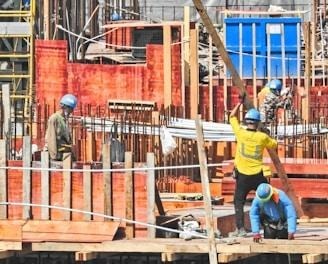
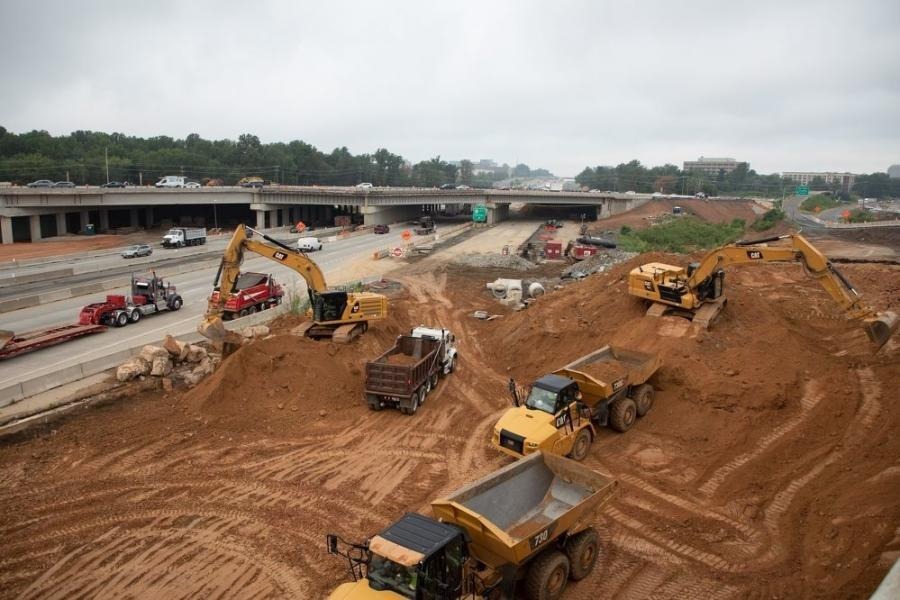
Congestion increases:
- Struck-by incidents
- Equipment collisions
- Trips and falls
- Communication
breakdowns
Well-planned sequencing reduces conflict.
Rushed scheduling ignores spatial coordination.
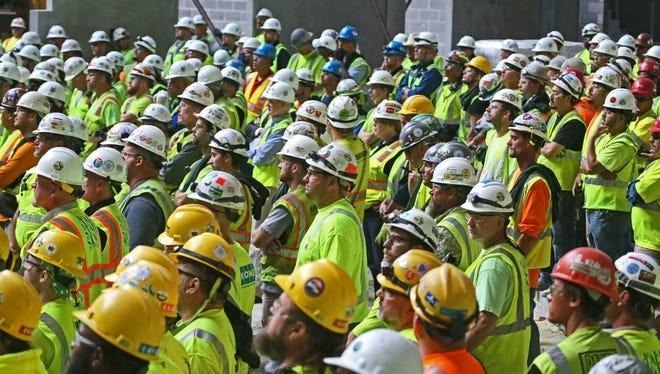
When too many workers occupy limited space, hazard exposure multiplies.
Inadequate Training for New or Temporary Workers
Tight deadlines sometimes lead to rapid hiring.
Temporary labor fills gaps.
However, rushed onboarding often results in incomplete
safety training.
New workers may not:
- Understand site-specific hazards
- Know emergency procedures
- Recognize restricted zones
- Be familiar with equipment limitations
Inexperienced workers under pressure are particularly vulnerable.
Training must not be sacrificed for speed.
Compromised Equipment Maintenance
Equipment downtime disrupts tight schedules.
As a result, maintenance may be delayed.
Inspections may be rushed.
Minor issues may be ignored.
This increases the likelihood of:
- Mechanical failures
- Brake malfunctions
- Hydraulic leaks
- Electrical faults
When heavy machinery fails unexpectedly, injuries can be severe.
Preventive maintenance protects both productivity and safety.
Reduced Quality Control
Speed impacts craftsmanship.
Tasks performed too quickly often lack proper verification.
Improperly secured scaffolding.
Incomplete structural connections.
Poorly installed guardrails.
Quality control checks may be shortened or skipped.
These oversights create structural hazards that can cause injuries long after installation.
Rushed work today may become tomorrow’s accident.
Communication Breakdowns
Clear communication is essential on construction sites.
Daily briefings align teams.
Updated plans reduce confusion.
When projects are rushed, communication suffers.
Meetings are shortened.
Instructions become vague.
Changes may not reach every crew.
Miscommunication increases:
- Conflicting work zones
- Equipment overlap
- Unsafe task sequencing
In high-risk environments, unclear direction is dangerous.
Increased Regulatory and Legal Exposure
When accidents occur, investigations follow.
Regulators assess whether safety standards were followed.
The Occupational Safety and Health Administration
evaluates compliance with federal safety requirements.
If evidence shows procedures were ignored due to deadline pressure, penalties may increase.
Consequences include:
- Fines
- Project shutdowns
- Insurance premium
increases - Litigation
- Reputational damage
Financial losses from one serious accident can exceed the cost of a moderate delay
The Hidden Financial Costs of Rushing
Meeting a deadline does not guarantee profitability.
Accidents cause:
- Medical expenses
- Workers’ compensation claims
- Equipment repairs
- Schedule delays from investigations
- Lost productivity
Even near-miss incidents disrupt workflow.
Short-term schedule gains can lead to long-term financial setbacks.
True efficiency balances time and safety.
Impact on Worker Morale and Retention
Constant deadline pressure creates stress.
Stress reduces job satisfaction.
Workers who feel unsafe are less likely to stay.
High turnover increases training costs.
Inexperienced replacements increase risk further.
A culture that values speed over safety damages trust.
Strong teams thrive when leadership prioritizes well-being.
Warning Signs a Project Is Moving Too Fast
Certain indicators suggest unsafe acceleration:
- Frequent overtime
- Rising near-miss
incidents - Increased minor injuries
- Skipped toolbox talks
- Delayed equipment repairs
- Workers expressing fatigue
These signals should prompt immediate review.
Ignoring them invites more serious incidents.
How to Balance Deadlines and Safety
Deadlines are unavoidable.
But they must be realistic and well-managed.
1. Plan Schedules with Safety Input
Include safety managers during scheduling.
Allow time for inspections and training.
2. Monitor Work Hours
Limit excessive overtime.
Rotate crews to reduce fatigue.
3. Maintain Clear Communication
Hold daily safety briefings.
Ensure all trades understand sequencing changes.
4. Protect Critical Safety Procedures
Lockout/tagout.
Fall protection.
Equipment inspections.
These must never be compromised.
5. Empower Workers to Speak Up
Encourage reporting of unsafe pace.
Address concerns without retaliation.
Balanced leadership prevents unsafe acceleration.
The Role of Leadership
Project leaders set expectations.
If management praises speed alone, shortcuts increase.
If leadership recognizes safe performance, culture shifts.
Leaders must:
- Reinforce that safety is non-negotiable
- Allocate realistic timelines
- Address productivity pressure responsibly
- Model safe decision-making
Strong leadership turns deadlines into goals, not hazards.
Conclusion
Rushing construction projects may appear efficient.
But hidden dangers often outweigh the benefits.
Deadline pressure increases fatigue.
It encourages shortcuts.
It reduces communication and oversight.
It elevates accident risk.
Short-term gains can result in long-term losses.
Construction success is not measured by speed alone.
It is measured by safety, quality, and sustainability.
Meeting deadlines should never require sacrificing worker protection.
When safety remains the priority, productivity follows naturally.
When speed overrides caution, accidents become inevitable.
In construction, the safest schedule is the most successful one.