
Structural Engineering Principles in Civil Engineering: A Complete Structural Design Guide (2026)
Introduction:
From towering bridges to intricate tunnels, civil engineering structures shape the infrastructure we rely on every day. But behind every durable and safe build lies a foundation of structural engineering principles. These principles guide the design, analysis, and execution of civil engineering projects.
In this comprehensive 2026 guide, we break down the essentials of structural design engineering what it is, how it works, and how it supports the design of civil engineering structures. Whether you’re a student, engineer, or project leader, this guide will help you understand the fundamentals and their modern applications.
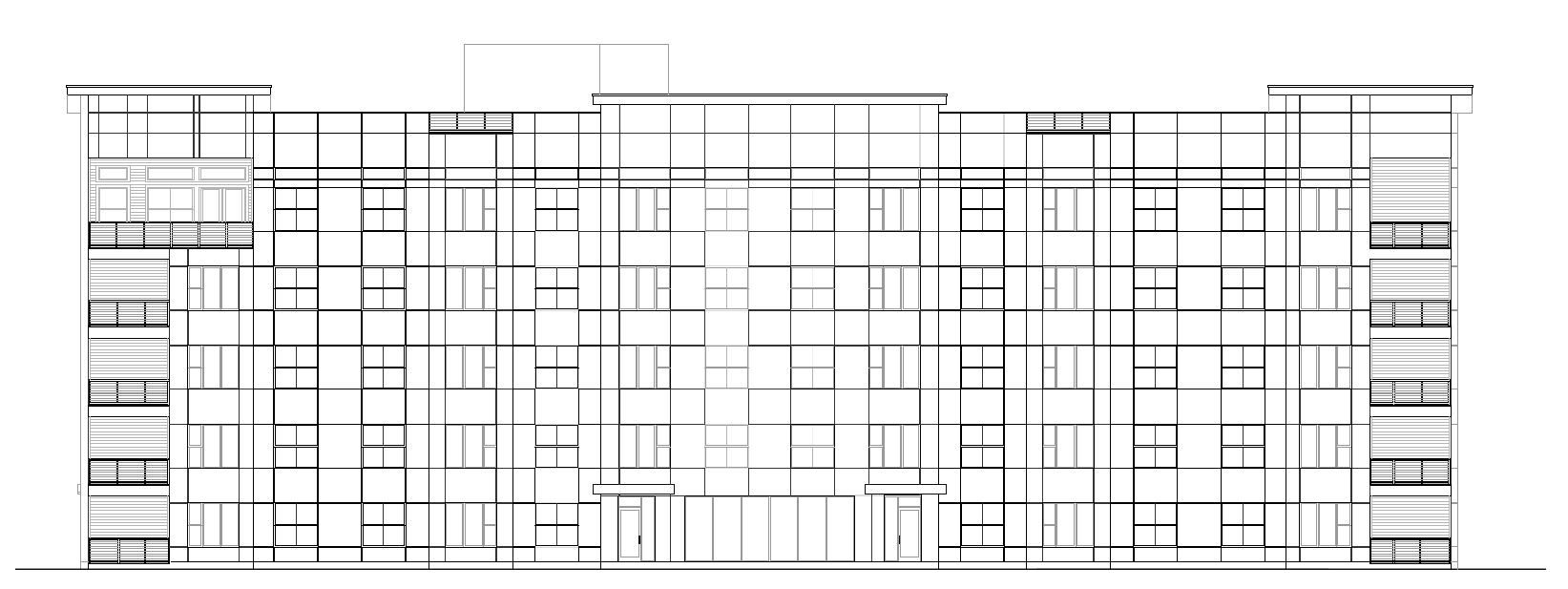
H2: What Is Structural Design in Civil Engineering? So, what is structural design in civil engineering? Simply put, it’s the process of designing buildings, bridges, and other structures so they can safely support expected loads.
This process blends physics, mathematics, and material science to ensure that every component—from beams to foundations—functions as intended under real-world conditions. Structural designers focus on strength, stability, serviceability, and cost efficiency, making sure structures hold up under both normal and extreme situations.
H2: Core Structural Engineering Principles All structural design follows a set of fundamental engineering concepts. Here are the key structural engineering principles you need to know:
- Equilibrium: All the forces acting on a structure must balance to prevent motion or collapse.
Compatibility: The structure must deform in a way that doesn’t create internal stress or cracking. - Material Strength: Engineers must choose materials that can handle the intended loads without failure.
- Load Paths: Loads must flow efficiently from the structure down to the foundation.
- Redundancy: Backup systems or elements help prevent total failure in case of localized issues.
These principles form the backbone of any safe and functional structural design.
H2: Understanding Loads in Structural Design Loads are the forces that structures must resist. Structural engineers must consider a variety of load types:
- Dead Loads: The permanent weight of the structure itself
- Live Loads: Temporary weights like people, furniture, or traffic
- Environmental Loads: Wind, snow, earthquakes, and temperature changes
- Dynamic Loads: Forces from moving vehicles, machinery, or even explosions
Good structural design anticipates these forces and builds in enough strength and flexibility to manage them safely.
H2: The Structural Design Process The design of civil engineering structures isn’t a one-size-fits-all task—it’s a process that adapts to the project’s purpose, size, and environment.
Here’s a step-by-step look at a typical structural design workflow:
- Conceptual Design: Define what the structure needs to do and where it will sit.
- Preliminary Analysis: Sketch out structural systems and estimate materials.
- Detailed Calculations: Use engineering software and formulas to verify dimensions and materials.
- Code Compliance: Align the design with local and international building standards.
- Modeling and Simulation: Use tools like ETABS or SAP2000 to test real-world scenarios.
- Construction Documents: Finalize blueprints, reinforcement layouts, and specifications.
Each phase builds on the last and is guided by the core structural engineering principles.
H2: Tools and Tech Shaping Structural Design in 2026 In 2026, modern tools are revolutionizing structural design engineering:
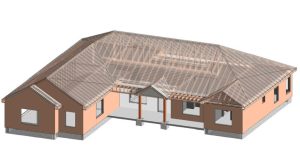
- Building Information Modeling (BIM) integrates all design elements into a shared 3D model.
- Finite Element Analysis (FEA) simulates stress and deformation in components.
- AI-enhanced load prediction tools analyze patterns to optimize safety and cost.
- Sustainability software helps reduce the environmental impact of materials and construction methods.
These tools improve efficiency, minimize errors, and promote collaboration across project teams.
H2: Designing for Sustainability and Resilience Today, engineering isn’t just about building strong—it’s about building smart.
Sustainability and resilience are now key parts of structural design.
Engineers now aim to: – Use eco-friendly materials like recycled steel or low-carbon concrete – Design for future reuse, disassembly, or modification – Prepare structures to withstand extreme weather and climate-related stressors
These goals ensure that today’s projects support tomorrow’s needs.
H2: Challenges in Structural Design Engineering Even with the best tools, engineers still face major challenges:
- Balancing cost and safety when budgets are tight
- Designing for unpredictable loads, like earthquakes or storms
- Navigating frequent code changes and updates
- Collaborating across disciplines, from architecture to construction
Solving these problems requires both technical knowledge and strong communication.
H2: Conclusion Mastering structural engineering principles is essential for anyone involved in civil construction. From high-rise towers to underground transit systems, strong design keeps structures safe, efficient, and enduring.
By understanding how structural design engineering works and how to apply it to the design of civil engineering structures you’ll be better equipped to create solutions that stand the test of time.
As 2026 brings new materials, tools, and challenges, staying grounded in these principles ensures your designs remain future-ready and reliable.