Multifamily Engineering Explained: Building Design, MEP Services & Code Requirements in the USA
Introduction
In the fast-evolving world of real estate, multifamily housing is gaining momentum across the United States. From high-rise apartments in major cities to duplexes and garden-style communities in the suburbs, these residential developments demand a unique set of engineering solutions. This is where multifamily engineering comes into play. But what is multifamily engineering, and how does it guide the successful delivery of these complex projects?
This comprehensive guide explores the core aspects of multifamily engineering, including building design services, MEP (Mechanical, Electrical, and Plumbing) systems, and critical code requirements. Whether you’re a developer, architect, or investor, understanding the engineering that powers multifamily housing is essential to ensure compliance, safety, efficiency, and long-term value.
What Is Multifamily Engineering?
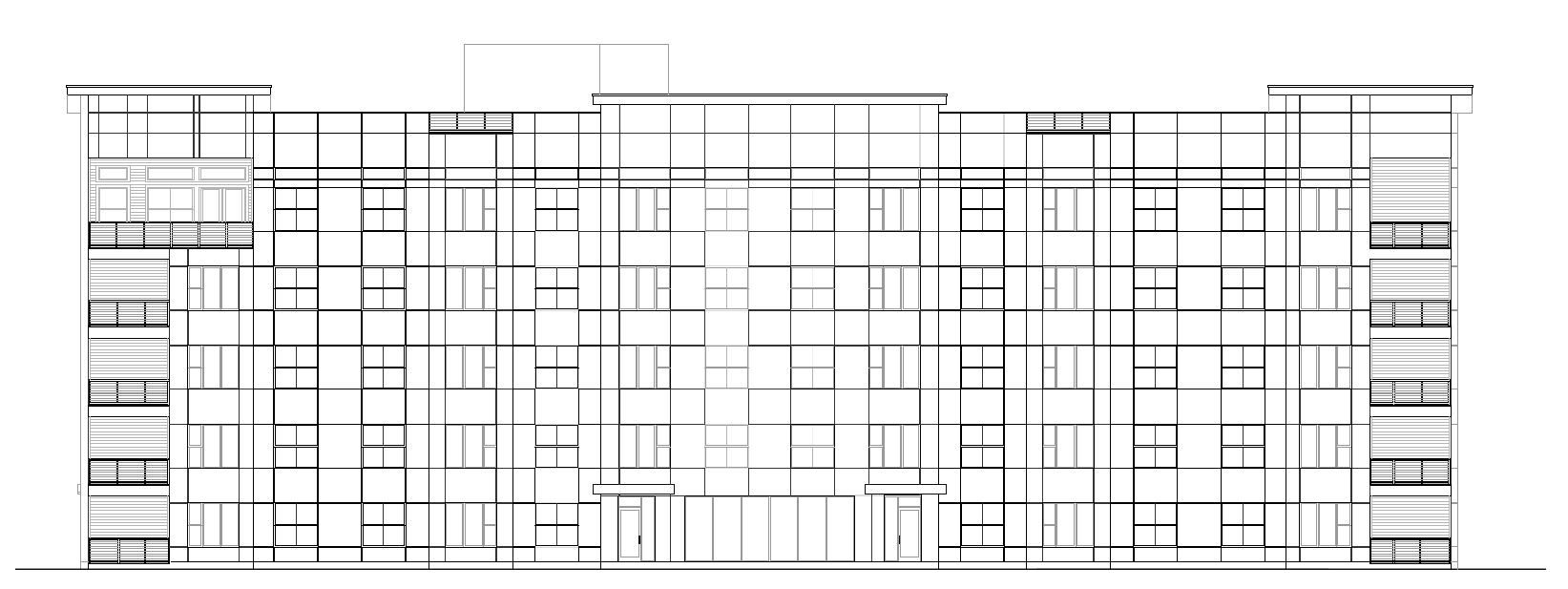
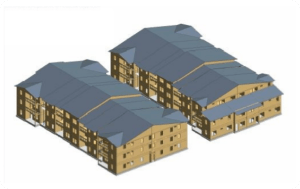
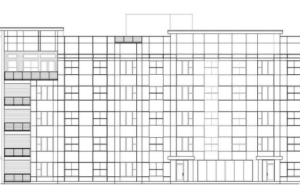
Multifamily engineering refers to the specialized planning, design, and coordination of systems for residential buildings that house multiple families under one roof. These include apartment buildings, condominiums, townhomes, and mixed-use developments. Unlike single-family homes, multifamily structures present greater design complexity, requiring close integration between architectural vision and technical systems.
Key components of multifamily engineering include: – Structural design to ensure building stability and longevity – MEP design to provide essential utilities and systems – Fire protection and life safety systems – Acoustic and energy efficiency solutions – Site civil engineering for grading, drainage, and utilities
These services must be tailored to each project based on location, building type, and local regulations.
Multifamily Building Design Services
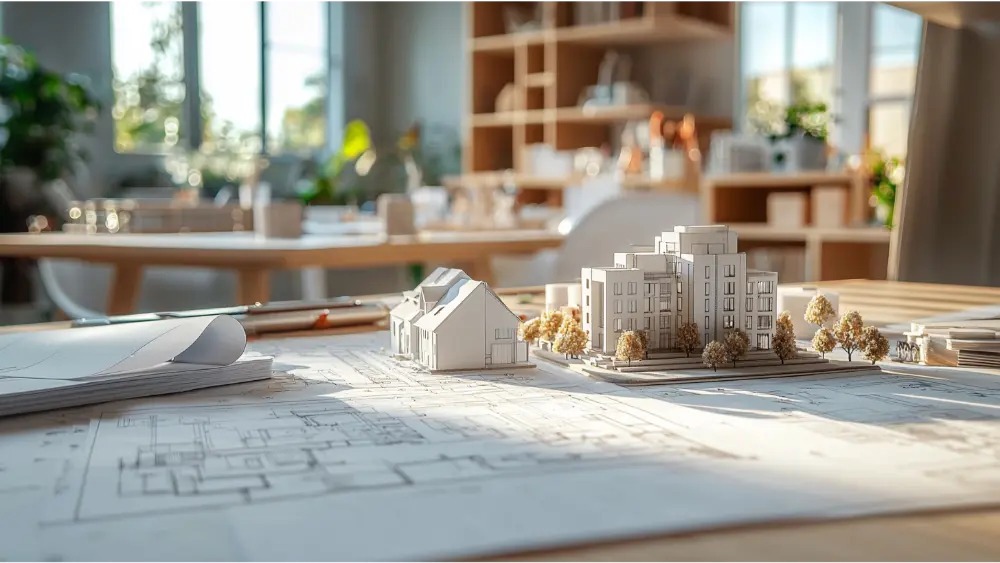
Multifamily building design services blend architectural innovation with engineering precision. The goal is to create living spaces that are functional, cost-effective, and compliant with local codes. Engineers work alongside architects to ensure design intent translates into a structurally sound, efficiently serviced building.
1. Site Analysis and Planning Before any design work begins, engineers conduct detailed site assessments. This includes analyzing: – Soil conditions – Topography – Flood zones and drainage patterns – Access to utilities and transportation
2. Structural Engineering Structural engineers determine the load-bearing requirements of the building. They select materials—like steel, concrete, or wood framing—based on: – Building height and size – Seismic and wind zones – Budget constraints
3. Architectural Coordination While architects focus on form and aesthetics, engineers ensure that floor layouts, mechanical shafts, and structural grids align with the overall vision. The synergy between both disciplines ensures optimal space utilization and construction feasibility.
4. Sustainable Design Sustainability is increasingly critical. Multifamily design services now prioritize: – Energy-efficient insulation and glazing – Low-flow plumbing fixtures – LED lighting systems – Renewable energy integration like solar panels
MEP Design for Apartment Buildings
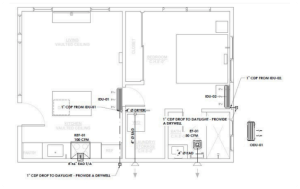
MEP (Mechanical, Electrical, and Plumbing) systems form the backbone of any residential structure. For apartment buildings, MEP design must address the unique challenges of servicing multiple units safely and efficiently.
Mechanical Systems – HVAC Design: Each unit must maintain thermal comfort with independent or centralized heating and cooling systems. Engineers assess load calculations, duct routing, and equipment sizing. – Ventilation: Proper airflow and indoor air quality are crucial. Systems like ERVs (Energy Recovery Ventilators) and kitchen/bathroom exhaust fans are integrated.
Electrical Systems – Power Distribution: MEP engineers design electrical panels and circuits to support lighting, appliances, and EV chargers. – Lighting Design: Energy-efficient lighting with sensors, dimmers, and emergency backups is critical. – Fire Alarm Systems: These must comply with NFPA and local codes, ensuring occupant safety.
Plumbing Systems – Water Supply and Distribution: Engineers design piping for consistent pressure, hot water recirculation, and redundancy. – Drainage and Venting: Proper slope and venting prevent blockages and ensure sanitation. – Fire Sprinkler Systems: Required in most multifamily buildings, especially those exceeding certain height or unit thresholds.
Coordinating these systems across multiple units while maintaining space efficiency and accessibility is one of the most complex tasks in multifamily engineering.
Building Code Requirements for Multifamily Projects
Building codes ensure that multifamily projects are safe, accessible, and environmentally responsible. These codes vary by state and municipality, but generally include:
1. International Building Code (IBC) The IBC provides baseline standards for: – Occupancy classifications (e.g., R-2 for apartments) – Fire resistance and separation between units – Egress paths and stairwell requirements
2. National Electrical Code (NEC) All electrical design must adhere to NEC standards, which address: – Circuit capacity – Ground fault protection – Panel clearances
3. Energy Codes ASHRAE 90.1 and IECC (International Energy Conservation Code) regulate: – Building envelope insulation – HVAC efficiency – Lighting power density
4. Accessibility Codes (ADA and FHA) Multifamily buildings must accommodate individuals with disabilities. Requirements include: – Accessible unit percentages – Clearances around doors and fixtures – Elevator and ramp installation
5. Local Amendments Cities often impose additional rules tailored to regional challenges like: – Earthquake resilience in California – Hurricane resistance in Florida – Snow load considerations in the Northeast
Early engagement with local authorities and code consultants is vital to avoid costly redesigns or permit delays.
Why Choose Specialized Multifamily Engineering Services in the USA?
Partnering with firms offering dedicated multifamily engineering services in the USA brings several advantages:
- Code Familiarity: Professionals stay up to date with evolving codes and zoning laws.
- Code Familiarity: Professionals stay up to date with evolving codes and zoning laws.
- Efficiency: Streamlined workflows from concept to construction documents reduce delays.
- Customization: Tailored engineering solutions that suit specific site and budget conditions.
- Quality Assurance: Rigorous QA/QC processes to minimize change orders and rework.
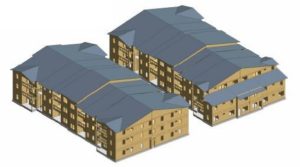
- Technology Integration: Use of BIM (Building Information Modeling) for clash detection, 3D visualization, and coordination.
- Technology Integration: Use of BIM (Building Information Modeling) for clash detection, 3D visualization, and coordination.
Whether you’re developing a 20-unit project or a 300-unit complex, experienced multifamily engineers help bridge the gap between design aspirations and practical execution.
Conclusion
Multifamily engineering is a dynamic field at the intersection of design, technology, and regulation. As demand for dense, sustainable, and livable housing grows, the role of engineering becomes more pivotal than ever. From initial site planning to MEP systems and code compliance, every detail counts.
Choosing a trusted engineering partner ensures your multifamily project not only meets legal standards but also delivers long-term performance and comfort for its residents. Understanding what goes into multifamily engineering services empowers developers and architects to make informed decisions, saving time, money, and headaches down the road.
Whether you’re asking, “what is multifamily engineering?” or looking for top-tier multifamily engineering services USA developers rely on this guide gives you a clear blueprint for success.