How Proper HVAC Design Reduces Construction Costs and Improves Building Efficiency
When planning a commercial construction project, every design decision impacts both the budget and long-term performance. Among the most influential factors is HVAC design. A properly engineered HVAC system doesn’t just regulate temperature; it directly affects construction costs, energy efficiency, space utilization, and ongoing operational expenses.
In California, where building codes are stringent and energy costs are high, the role of an experienced HVAC design engineer is more important than ever. By aligning HVAC design with mechanical strategies, energy codes like Title 24, and overall building goals, project teams can unlock significant savings and performance gains.
The Dual Challenge: Cost and Efficiency
Commercial developers face a familiar challenge: keep construction costs under control while delivering high-performance buildings that are sustainable, code-compliant, and comfortable.
Proper HVAC design solves this dual challenge by:
- Minimizing equipment oversizing and unnecessary infrastructure
- Optimizing energy usage to reduce monthly utility bills
- Streamlining system layouts to lower construction complexity
- Ensuring full compliance with California’s Title 24 energy code
Each of these benefits starts in the early design phases, where strategic decisions shape the entire project lifecycle.
How HVAC Design Reduces Construction Costs
1. Right-Sizing Equipment
Oversized HVAC systems increase initial equipment costs, consume more energy, and require larger infrastructure (ductwork, piping, mechanical rooms). Under-sizing leads to performance issues and costly retrofits. A qualified HVAC design engineer uses load calculations and building modeling to ensure systems are sized precisely for actual needs.
2. Efficient Space Planning
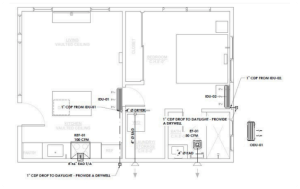
Proper mechanical design services integrate HVAC early in the architectural planning process. By coordinating system placement and routing (for ductwork, chillers, AHUs, and ventilation), designers reduce space requirements, eliminate clashes, and help architects maximize rentable or usable square footage.
3. Fewer Change Orders
HVAC-related conflicts are among the most common causes of construction change orders. A thorough design process that includes BIM coordination, clash detection, and multi-discipline integration helps avoid rework and costly on-site changes.
4. Simplified System Layouts
Well-designed systems are easier and faster to install. Streamlined duct routing, accessible equipment placement, and logical zoning cut labor time, reduce installation errors, and improve construction timelines.
5. Smarter Controls and Automation
Modern HVAC designs often include building automation systems (BAS) and smart controls that not only reduce operating costs but simplify commissioning and troubleshooting, shortening project closeout periods.
Boosting Building Efficiency Through Smart HVAC Design
Efficiency doesn’t stop at construction. Proper HVAC design delivers lasting value through energy performance, indoor air quality, and long-term resilience.
1. Title 24 HVAC Calculations
In California, energy compliance starts with accurate HVAC modeling. Title 24 mandates specific energy performance standards for nonresidential buildings. Engineers must provide HVAC load calculations, system efficiencies, duct insulation levels, and zone control documentation to demonstrate compliance.
A precise Title 24 HVAC calculation ensures that systems meet code and often uncovers design optimizations that reduce energy use.
2. Zoning and Load Matching
Dividing the building into thermal zones allows for more precise temperature control and reduced energy waste. Engineers analyze occupancy patterns, solar gain, and internal loads to zone buildings effectively.
3. Energy Recovery and Ventilation
Efficient HVAC systems often include heat recovery ventilators (HRVs) or energy recovery ventilators (ERVs) to reduce the load on heating and cooling systems while maintaining healthy indoor air quality.
4. Equipment Efficiency
Specifying high-efficiency chillers, variable-speed drives, low-leakage ducts, and smart thermostats ensures systems operate with minimal waste. When combined with renewable-ready infrastructure, these choices prepare buildings for a low-carbon future.
5. Integration with Building Systems
Proper HVAC design coordinates with lighting, shading, occupancy sensors, and building management systems. This integration maximizes comfort while reducing peak loads and energy spikes.
Real-World Application: Office Retrofit Success
In a recent commercial office retrofit in Southern California, a mechanical design team evaluated the existing HVAC system and proposed a new zoning strategy. By separating perimeter and core zones, and upgrading to variable-speed equipment, the building saw:
- A 25% reduction in annual energy use
- A 20% improvement in occupant comfort scores
- $90,000 in avoided equipment and installation costs
Proper HVAC design didn’t just cut operational costs, it also simplified construction and avoided major structural changes.
Best Practices from California HVAC Design Engineers
Based on our experience with commercial HVAC systems across California, here are several key best practices:
- Start early: Involve mechanical engineers during the conceptual design phase
- Use modeling tools: Perform energy modeling and load calculations to guide equipment selection
- Coordinate disciplines: Ensure HVAC design aligns with architectural, structural, and electrical plans
- Think lifecycle: Evaluate systems not just on installation cost but long-term performance and
maintenance - Plan for compliance: Integrate Title 24 requirements from the outset to avoid delays
Conclusion: Invest Early, Save Long-Term
Proper HVAC design is more than a line item in construction planning; it’s a strategic investment in the efficiency, comfort, and success of a building. With rising energy prices and tighter building codes in California, relying on expert mechanical design services is no longer optional.
By working with experienced HVAC design engineers who understand local regulations and best practices, developers can reduce upfront costs, accelerate construction timelines, and build spaces that perform for decades.