
How Professional Structural Engineering Ensures Safe and Code-Compliant Buildings
Introduction:
When it comes to constructing safe and reliable buildings, structural engineering is the backbone of success. A professional structural engineering firm brings not just design expertise but a deep understanding of safety codes, load considerations, material behavior, and risk mitigation. In this article, we explore how structural engineering services contribute to building structural design that’s both safe and code-compliant from concept to completion.
The Core Role of Structural Engineering in Building Design
Structural engineers are responsible for making sure a building can withstand the loads and forces it will encounter throughout its life. These include gravity, wind, seismic activity, and human occupancy. For instance, think of a skyscraper in Chicago designed to resist high wind pressures while accommodating occupancy loads.
A professional structural engineering firm develops the building structural design to support these forces while considering material efficiency, constructability, and cost. Engineers calculate load paths, define member sizes, and coordinate with architects and MEP teams to maintain both structural integrity and design vision.
Safety Starts With Design Standards and Codes
One of the main responsibilities of structural engineers is ensuring code compliant structural design. Building codes, such as the International Building Code (IBC), dictate minimum safety standards related to load resistance, material usage, fire ratings, and more. These codes are typically enforced by local building departments or regulatory agencies, and can vary by state or municipality.
Structural engineering services interpret and apply these codes based on the building’s type, location, and function. For example: – In seismic zones, engineers follow ASCE 7 standards for earthquake load design. – Wind-prone areas require compliance with local wind load criteria. – Fire-resistant construction must follow NFPA and IBC material and detailing guidelines.
Failure to comply not only endangers lives but also risks fines, delays, and legal liabilities.
Risk Assessment and Mitigation
Professional structural engineers perform thorough risk assessments to anticipate and prevent failure scenarios. This includes: – Load combination analysis – Structural redundancy design – Progressive collapse mitigation – Foundation soil evaluation
These practices ensure that even under extreme conditions, buildings remain stable and occupants safe.
Material Selection and Structural Integrity
Structural engineers understand the properties and limitations of materials such as steel, concrete, timber, and masonry. Their design decisions affect durability, load performance, and maintenance needs.
For example, in high-rise projects, a structural engineering firm might use high-strength steel to reduce column size and increase leasable space. In coastal regions, corrosion-resistant materials ensure longevity despite salt exposure. Proper detailing and anchoring systems are essential to maintain integrity over decades.
Coordination With Other Disciplines
Safe structural design is never done in isolation. Engineers collaborate with: – Architects, to ensure structural elements integrate with design aesthetics. – MEP Consultants: to coordinate load-bearing walls, penetrations, and equipment loads. – Contractors: to confirm buildability and material sourcing.
This collaboration ensures no surprises during construction that might compromise safety or code compliance.
Structural Inspections and Quality Assurance
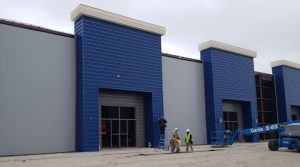
A structural engineering firm’s role extends beyond drawings. During construction, engineers perform site inspections and review shop drawings to ensure the building is constructed per design.
Quality assurance includes: – Concrete strength testing – Steel connection inspections – Reinforcement placement verification
This process helps catch deviations early, preventing costly retrofits or unsafe conditions.
Adapting to Changing Codes and Innovations
Building codes evolve to reflect new research, disasters, and technology. Professional structural engineering services must stay current with: – Updates to IBC and local codes – Advances in structural analysis software – Sustainable design practices (e.g., mass timber, carbon-conscious materials)
Forward-thinking firms also embrace performance-based design, where buildings are engineered for specific outcomes rather than just code minimums enhancing resilience.
Case Study: Medical Center Compliance Upgrade
A regional hospital needed to expand and retrofit its aging structure. The structural engineering firm evaluated the existing foundation and framing, identifying weaknesses under current seismic codes.
Through a blend of reinforcement, new shear walls, and flexible connections, the team delivered a code-compliant structural design without disrupting hospital operations. This project highlights how engineering expertise directly safeguards public safety in critical infrastructure.
Conclusion: The Foundation of Safe Structures
Building safety isn’t optional; it’s engineered. A skilled structural engineering firm ensures every aspect of a building’s frame supports both immediate and long-term stability. From the first sketch to the final inspection, structural engineering services provide the technical backbone for code-compliant, resilient design.
Whether it’s a high-rise office, a community school, or a healthcare facility, investing in professional structural engineering isn’t just smart, it’s essential. Developers, architects, and facility owners should prioritize partnering with experts who bring not only technical precision but also regulatory insight, turning blueprints into buildings you can trust.