How Civil Engineering Projects Are Designed The Role of Site Development Engineering and Expert Services
Introduction
Civil engineering shapes the world around us. Roads, bridges, drainage systems, and commercial sites all begin with careful planning. Behind every successful build lies a detailed design process. That process depends heavily on Civil Engineering Services and expert coordination.
Many people see the finished structure. Few understand the planning behind it. Each project moves through structured stages. Engineers evaluate land conditions. They study regulations. They assess environmental impacts. They coordinate with architects and contractors.
This article explains How Civil Engineering Projects Are Designed from concept to construction. It also explores the role of Site Development Engineering. Finally, it answers a key question: Why Civil Engineering Services Are Important for long-term success.
Understanding the Foundation of Civil Engineering Services
Civil engineering begins long before construction equipment arrives on site. The design phase sets the foundation for everything that follows.
Civil Engineering Services include:
- Site evaluation
- Site evaluation
- Feasibility studies
- Feasibility studies
- Land development planning
- Land development planning
- Utility design
- Drainage and stormwater management
- Drainage and stormwater management
- Grading plans
- Infrastructure layout
- Permitting support
- Permitting support
Engineers balance technical design with legal requirements. They must meet safety codes. They must protect the environment. They must also stay within budget.
Every project starts with a vision. That vision may involve a residential community. It may involve a commercial center. It may involve a public roadway. Engineers transform that vision into buildable plans.
Without structured design, projects face delays and cost overruns. Proper engineering prevents these issues early.
Stage 1: Initial Planning and Feasibility Analysis
The first step in How Civil Engineering Projects Are Designed is feasibility analysis.
Engineers evaluate whether the project is practical. They study:
- Existing site conditions
- Existing site conditions
- Soil characteristics
- Soil characteristics
- Topography
- Topography
- Flood zones
- Flood zones
- Access points
- Access points
- Utility availability
- Utility availability
They also review zoning regulations. Local ordinances affect building placement and density. Ignoring these rules causes costly revisions.
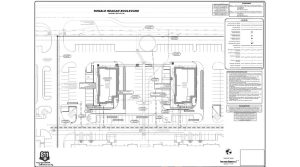
During this stage, engineers prepare conceptual layouts. These layouts show potential roadways and building pads. They also identify drainage patterns.
Feasibility studies protect investors. They reveal risks before major funds are committed. They also provide realistic cost estimates.
This early analysis shows Why Civil Engineering Services Are Important. Without expert review, projects may move forward on unstable ground.
Stage 2: Site Analysis and Data Collection
Once feasibility is confirmed, engineers gather detailed site data.
This stage includes:
- Land surveys
- Land surveys
- Boundary verification
- Boundary verification
- Elevation mapping
- Utility location
- Utility location
- Geotechnical
investigation
- Geotechnical
Surveyors create accurate maps of the land. These maps guide grading and drainage design.
Geotechnical engineers test soil samples. They determine load-bearing capacity. They also evaluate groundwater conditions.
Soil conditions influence foundation design. Weak soils may require stabilization. Poor drainage may require retention systems.
Every detail matters. Small miscalculations create major construction problems.
Stage 3: Conceptual Design Development
After collecting data, engineers develop preliminary designs.
Conceptual plans include:
- Roadway alignment
- Roadway alignment
- Parking layouts
- Parking layouts
- Utility routing
- Utility routing
- Stormwater systems
- Stormwater systems
- Grading concepts
This is where Site Development Engineering plays a major role.
Site development focuses on preparing land for construction. It ensures that water drains properly. It ensures safe vehicle access. It ensures utility connections function efficiently.
Engineers must balance aesthetics and performance. For example, grading must support both drainage and architectural intent.
At this stage, collaboration increases. Civil engineers coordinate with architects and structural engineers. They adjust plans based on feedback.
Conceptual designs often go through multiple revisions. Each revision improves efficiency and compliance.
Stage 4: Detailed Engineering and Technical Design
Once concepts are approved, engineers move into detailed design.
This phase produces construction-ready documents. These include:
- Final grading plans
- Final grading plans
- Stormwater calculations
- Stormwater calculations
- Erosion control plans
- Erosion control plans
- Utility profiles
- Utility profiles
- Pavement design
- Pavement design
- Construction specifications
Precision becomes critical. Contractors rely on these drawings during construction.
Stormwater management requires special attention. Engineers design detention or retention systems. These systems prevent flooding. They also protect surrounding properties.
Utility design ensures water, sewer, gas, and electrical systems integrate smoothly. Poor coordination leads to costly field adjustments.
This technical phase highlights Why Civil Engineering Services Are Important. Skilled engineers reduce construction risks. They also protect public safety.
The Critical Role of Site Development Engineering
Site Development
Engineering bridges raw land and finished construction.
Its primary goals include:
- Creating stable building pads
- Creating stable building pads
- Designing proper drainage systems
- Designing proper drainage systems
- Ensuring safe traffic flow
- Managing environmental compliance
- Managing environmental compliance
Land rarely comes ready for construction. It often requires grading adjustments. It may require retaining walls. It may require soil compaction.
Engineers calculate cut and fill volumes carefully. Balanced earthwork reduces hauling costs. It also lowers environmental impact.
Drainage design remains one of the most critical elements. Poor drainage damages foundations. It weakens pavements. It causes erosion.
Through careful planning, engineers protect both the project and surrounding properties.
Permitting and Regulatory Approvals
No civil project moves forward without permits.
Engineers prepare documentation for regulatory agencies. These may include:
- Stormwater management reports
- Environmental impact studies
- Environmental impact studies
- Traffic impact analyses
- Traffic impact analyses
- Utility connection applications
- Utility connection applications
Agencies review plans for compliance. They verify that designs meet safety standards. They ensure environmental regulations are satisfied.
This process can take months. Proper documentation speeds approval.
Experienced firms understand local requirements. They anticipate agency concerns. This reduces revision cycles.
Regulatory coordination demonstrates again Why Civil Engineering Services Are Important. Without expertise, projects stall in review phases.
Construction Support and Field Coordination
Design does not end when construction begins.
Engineers often provide construction-phase services. These include:
- Responding to contractor questions
- Responding to contractor questions
- Reviewing shop drawings
- Reviewing shop drawings
- Conducting site visits
- Conducting site visits
- Adjusting plans if site conditions change
- Adjusting plans if site conditions change
Unexpected conditions are common. Soil conditions may differ from initial tests. Underground utilities may conflict with plans.
Quick engineering responses prevent costly delays.
Field adjustments must maintain compliance. Engineers ensure that modifications still meet safety standards.
This active involvement ensures that designs translate accurately into built results.
Technology in Modern Civil Engineering Projects
Modern projects rely heavily on technology.
Engineers use advanced software for:
- 3D modeling
- 3D modeling
- Hydrology simulations
- Hydrology simulations
- Earthwork analysis
- Earthwork analysis
- Utility coordination
- Utility coordination
Building Information Modeling improves collaboration. Digital terrain models improve grading accuracy.
Drones now assist in site surveys. They capture accurate elevation data quickly.
These tools increase precision. They also reduce costly design errors.
Technology enhances efficiency, but expertise remains essential. Software cannot replace professional judgment.
Why Civil Engineering Services Are Important for Long-Term Success
Infrastructure must perform for decades. Poor design leads to expensive repairs.
Here is Why Civil Engineering Services Are Important:
- They reduce construction risks.
- They reduce construction risks.
- They prevent drainage failures.
- They prevent drainage failures.
- They ensure regulatory compliance.
- They ensure regulatory compliance.
- They optimize material usage.
- They optimize material usage.
- They improve public safety.
- They improve public safety.
- They extend infrastructure lifespan.
- They extend infrastructure lifespan.
Investing in professional engineering saves money over time.
Proper grading prevents water intrusion. Strong pavement design prevents cracking. Accurate utility planning prevents service interruptions.
Civil engineering protects both financial investments and public welfare.
Collaboration Across Disciplines
Civil engineering does not operate alone.
Successful projects require coordination with:
- Architects
- Architects
- Structural engineers
- Structural engineers
- Environmental consultants
- Environmental consultants
- Transportation planners
- Transportation planners
- Contractors
- Contractors
Communication prevents design conflicts. For example, storm drains must avoid structural footings. Utility lines must avoid roadway bases.
Regular design meetings improve clarity. Shared digital platforms streamline coordination.
Collaboration reduces errors. It also accelerates project timelines.
Common Challenges in Civil Engineering Design
Every project faces challenges.
Common obstacles include:
- Unexpected soil conditions
- Unexpected soil conditions
- Environmental restrictions
- Environmental restrictions
- Budget limitations
- Budget limitations
- Tight project schedules
- Tight project schedules
- Utility conflicts
- Utility conflicts
Experienced engineers anticipate risks early. They create contingency plans.
Flexibility remains essential. Designs may require adjustments as new data emerges.
Strong project management keeps teams aligned. Clear communication prevents misunderstandings.
These challenges reinforce How Civil Engineering Projects Are Designed through structured planning and expert oversight.
Sustainability in Site Development Engineering
Sustainable design has become a priority.
Engineers now integrate:
- Low-impact development practices
- Low-impact development practices
- Green infrastructure
- Green infrastructure
- Permeable pavements
- Permeable pavements
- Bioswales
- Rainwater harvesting systems
- Rainwater harvesting systems
These solutions reduce runoff. They also protect natural ecosystems.
Sustainable grading preserves existing trees when possible. Smart design reduces heat island effects.
Environmental responsibility enhances community value. It also supports regulatory approval.
Modern Site Development Engineering balances performance and environmental care.
The Economic Impact of Proper Engineering Design
Well-designed infrastructure stimulates growth.
Reliable roads attract businesses. Efficient drainage protects property values. Stable utilities support expanding communities.
Poor engineering damages reputations. It also increases liability.
Investors and developers rely on skilled engineers to protect assets.
Strategic planning ensures projects remain financially viable. It also prevents expensive redesigns.
The economic ripple effect of quality design is significant.
Conclusion
Civil engineering projects do not happen by accident. They follow a structured and detailed design process.
From feasibility studies to construction oversight, each stage matters. Data collection ensures accuracy. Conceptual design guides direction.
Detailed engineering ensures buildability.
Site Development Engineering transforms raw land into functional infrastructure. It ensures stability, safety, and efficiency.
Understanding How Civil Engineering Projects Are Designed reveals the depth of planning behind every structure. It also clarifies Why Civil Engineering Services Are Important for long-term success.
Professional engineering reduces risk. It improves durability. It protects communities.
Behind every successful development stands a team of experienced civil engineers. Their expertise turns ideas into lasting infrastructure.