How to Design Electrical Systems for EV Charging Stations (2026 Guide)
Introduction
Electric vehicles are growing fast. What once felt like a trend is now a clear shift. Cities are adapting. Businesses are investing. Drivers expect charging to be as easy as fueling.
But behind every smooth charging experience is a carefully designed electrical system. This is where most projects succeed or fail.
Designing EV charging infrastructure is not just about plugging in chargers. It requires planning power flow, managing load, and preparing for future demand. A weak design leads to overloads, downtime, and expensive upgrades.
In this guide, you will learn how to design EV charging systems from the ground up. We will cover EV charging station electrical design, EV charger load calculation, and EV infrastructure power requirements in detail.
By the end, you will understand how to build a system that is efficient, scalable, and reliable.
Understanding EV Charging Levels
Before diving into electrical design, you must understand the types of chargers. Each type affects your system differently.
Level 1 Charging
Level 1 chargers use standard 120V outlets. They are simple and low cost. But they are very slow.
They are mostly used at home. You will rarely include them in commercial projects.
Level 2 Charging
Level 2 chargers are the most common. They operate at 208V or 240V.
They provide moderate charging speed. This makes them ideal for offices, malls, and parking garages.
Power ranges from 3.3 kW to 19.2 kW.
They are easier to install than fast chargers. But they still require proper electrical planning.
DC Fast Charging (Level 3)
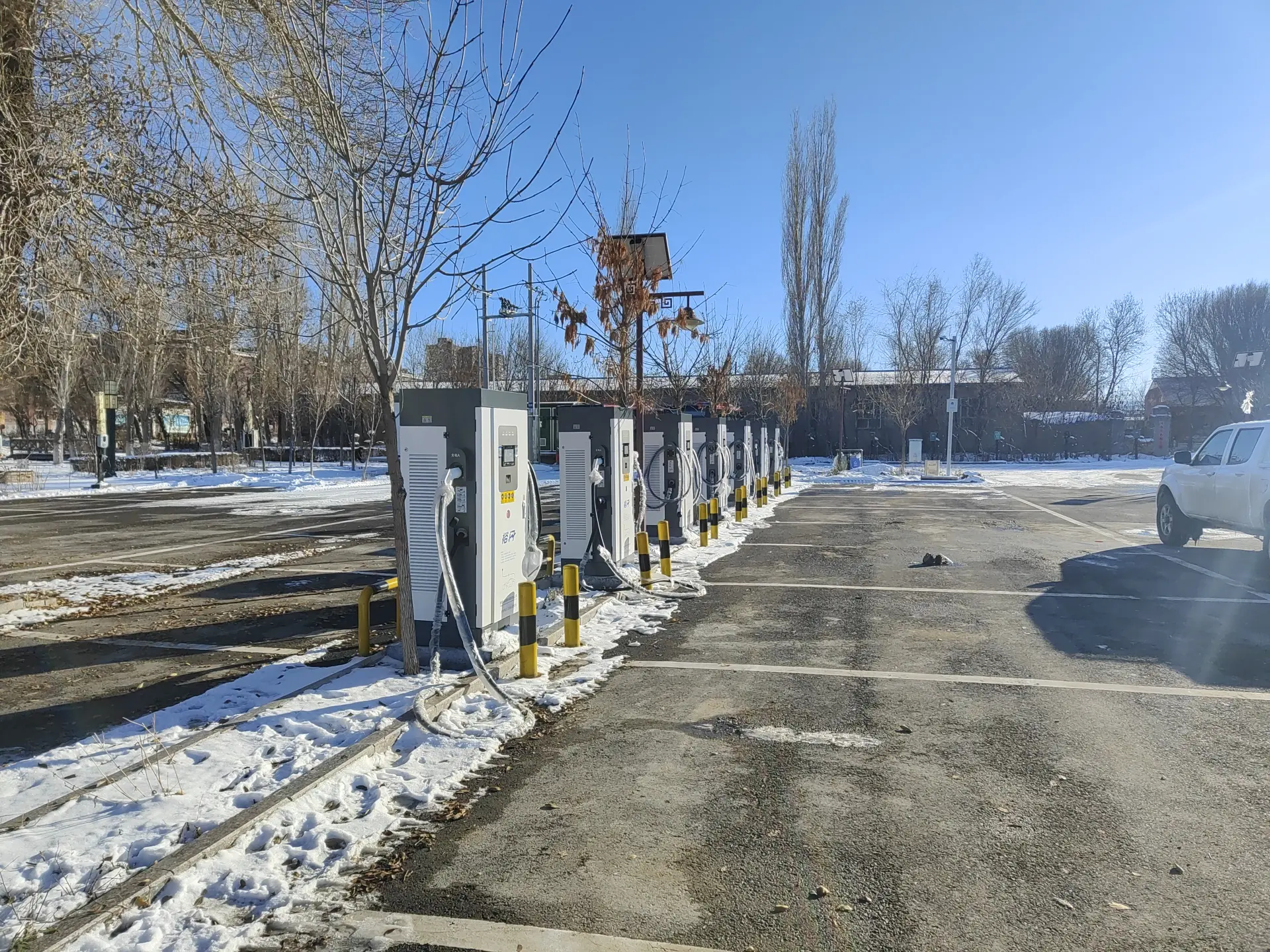
DC fast chargers deliver high power directly to the battery. They are essential for highways and high-traffic areas.
Power ranges from 50 kW to 350 kW or more.
These chargers place heavy demand on the electrical system. They require advanced design, cooling, and grid coordination.
Site Assessment and Load Planning
Every project begins with the site. You cannot design blindly.
Evaluate Grid Capacity
Start by checking how much power is available from the utility.
This is often the biggest constraint. If the grid cannot support your load, upgrades will be needed.
These upgrades can take months. They can also increase costs significantly.
Understand Usage Patterns
Think about how the station will be used.
- Retail locations have short visits
- Offices have long parking times
- Highways need fast turnover
Usage patterns affect charger type and quantity.
Space and Layout Considerations
Electrical design depends on layout.
You need space for:
- Transformers
- Panels
- Switchgear
- Cable routing
A poor layout increases installation complexity and energy loss.
EV Charger Load Calculation
This is the most important step. Without accurate load calculation, the system will not perform well.
Step 1: List All Chargers
Write down each charger and its rating.
Example:
- 6 Level 2 chargers at 11 kW
- 3 DC fast chargers at 150 kW
Step 2: Calculate Connected Load
Multiply and sum:
- Level 2: 6 × 11 = 66 kW
- DC fast: 3 × 150 = 450 kW
Total = 516 kW
Step 3: Apply Demand Factor
Not all chargers run at full capacity at the same time.
Apply a demand factor. For public stations, use 0.6 to 0.8.
516 × 0.7 = 361.2 kW
This is your expected operating load.
Step 4: Add Future Capacity
Always plan ahead.
Add 25% extra capacity:
361.2 × 1.25 = 451.5 kW
This prevents costly upgrades later.
Step 5: Convert to Current
You need current to size equipment.
Use:
Current = Power / (Voltage × Power Factor)
This step ensures correct cable and breaker sizing.
EV Infrastructure Power Requirements
Understanding EV infrastructure power requirements helps you avoid system failure.
Transformer Selection
The transformer must handle peak demand.
Choose a rating slightly above your calculated load.
Do not oversize too much. It wastes energy and money.
Distribution Panels
Each charger usually needs its own circuit.
Panels must support multiple breakers and future expansion.
Proper organization improves safety and maintenance.
Voltage Strategy
Voltage selection matters.
- 240V for Level 2 chargers
- 480V for DC fast chargers
Higher voltage reduces current. This improves efficiency and reduces cable size.
Key Electrical Components in EV Design
A strong system depends on the right components.
Switchgear
Switchgear controls and protects the system.
It isolates faults and prevents damage.
Conductors and Cabling
Cable sizing is critical.
Undersized cables overheat.
Oversized cables increase cost.
Keep voltage drop below
acceptable limits.
Metering Systems
Metering tracks energy usage.
It supports billing and performance monitoring.
Grounding and Earthing
Proper grounding is essential.
It protects users from electric shock.
It also stabilizes the system.
Load Management Techniques
Managing load is one of the biggest challenges in EV charging station electrical design.
Static Load Management
This method sets a fixed power limit.
It is simple but inefficient.
Some chargers may sit idle while others need more power.
Dynamic Load Management
This method distributes power in real time.
If more cars connect, power is shared.
This improves efficiency and avoids overload.
Smart Charging Systems
Smart systems use software to optimize charging.
They consider:
- Grid demand
- Energy pricing
- Charging priority
This reduces costs and improves performance.
Renewable Energy Integration
Modern EV charging systems often include renewable energy.
Solar Power
Solar panels can reduce energy costs.
They generate power during the day.
This aligns well with peak charging times.
Battery Storage
Battery systems store extra energy.
They release power during peak demand.
This reduces stress on the grid.
Hybrid Energy Systems
Combining solar and storage creates a flexible system.
It improves reliability and reduces operating cost.
Safety and Compliance Requirements
Safety must always come first.
Electrical Codes and Standards
Follow all local regulations.
In the US, NEC Article 625 applies to EV systems.
Ignoring codes can lead to penalties and unsafe systems.
Protection Systems
Install proper protection devices:
- Circuit breakers
- Surge protection
- Ground fault protection
These prevent damage and ensure safety.
Environmental Protection
Outdoor systems must handle harsh conditions.
Use weatherproof enclosures.
Protect against dust, heat, and moisture.
Designing for Scalability
EV demand is growing rapidly. Your design must keep up.
Modular Infrastructure
Use modular systems.
This allows you to add chargers without redesigning everything.
Future Power Expansion
Plan for higher capacity chargers.
Fast charging tec
hnology is evolving quickly.
Software Flexibility
Choose systems that support updates.
This keeps your infrastructure future-ready.
Cost Considerations and Optimization
A good design balances cost and performance.
Upfront vs Long-Term Cost
Cheap systems often fail early.
Investing in quality saves money over time.
Energy Efficiency
Efficient systems reduce losses.
Lower losses mean lower operating costs.
Incentives and Funding
Many governments offer incentives.
These can reduce installation costs significantly.
Common Mistakes in EV Charging System Design
Avoiding mistakes can save time and money.
Overestimating Load
Designing for full load at all times increases cost.
Use realistic demand factors.
Ignoring User Behavior
Not all locations need fast chargers.
Understand how users interact with the station.
Poor Cable Planning
Long cable runs without proper sizing cause voltage drop.
This reduces efficiency.
No Expansion Planning
Failing to plan for growth leads to expensive upgrades.
Practical Example: Small Commercial Charging Station
Let’s look at a simple scenario.
A retail parking lot plans to install:
- 8 Level 2 chargers at 7 kW
- 2 DC fast chargers at 100 kW
Connected load:
- Level 2: 56 kW
- DC fast: 200 kW
Total = 256 kW
Apply demand factor (0.7):
256 × 0.7 = 179.2 kW
Add 25% future capacity:
179.2 × 1.25 = 224 kW
The system should be designed for around 225 kW.
This ensures reliability and future growth.
Step-by-Step Design Process
Here is a simple roadmap:
- Analyze site and grid capacity
- Choose charger types and numbers
- Perform EV charger load calculation
- Size transformer and panels
- Design cable layout and routing
- Add protection and grounding systems
- Implement load management
- Consider renewable integration
- Ensure compliance with codes
- Plan for future expansion
Following this process reduces risk and improves performance.
Conclusion
Designing EV charging systems is no longer optional. It is a critical part of modern infrastructure.
A well-designed system ensures safety, efficiency, and reliability. It also supports future growth as EV adoption continues to rise.
By focusing on accurate EV charger load calculation, understanding EV infrastructure power requirements, and applying smart design strategies, you can build systems that last.
The demand for EV charging will only increase. Those who design strong electrical systems today will shape the future of transportation.
Now is the time to design smarter, safer, and more scalable EV charging stations.