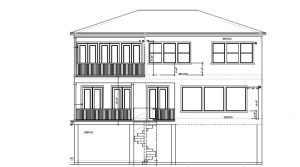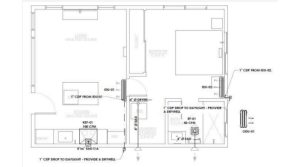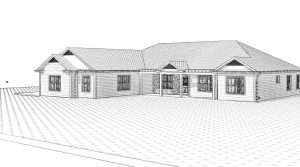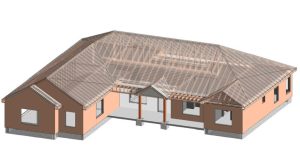
Comprehensive MEP Design Services for Efficient and Sustainable Building Projects
Introduction
Modern buildings demand more than attractive architecture. They require systems that perform efficiently every day. Mechanical, electrical, and plumbing systems form the backbone of any structure. These systems impact comfort, safety, and operating costs.
That is where MEP Design Services play a critical role. Proper planning ensures long-term efficiency and sustainability. Poor coordination leads to delays, higher costs, and operational failures.
A skilled Engineering Design Consultant ensures every system works in harmony. From concept to completion, expert planning prevents expensive mistakes. This guide explains why professional MEP planning matters and how to select the right partner.
Understanding MEP Design Services
MEP stands for mechanical, electrical, and plumbing systems. These systems keep buildings functional and comfortable. Without them, no facility can operate effectively.
MEP Design Services include detailed planning and system integration. Engineers design HVAC systems for thermal comfort. Electrical engineers manage power distribution and lighting. Plumbing experts handle water supply and drainage systems.
Each discipline must coordinate with structural and architectural designs. Poor coordination leads to clashes and delays. Professional MEP planning eliminates these risks early.
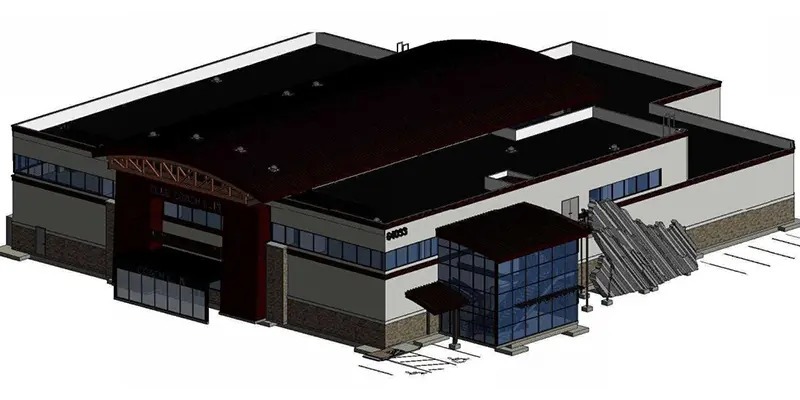
Advanced software improves accuracy and efficiency. Building Information Modeling helps detect design conflicts. This reduces on-site changes and project overruns.
MEP systems also influence energy performance. Smart system design lowers energy consumption. Efficient buildings reduce long-term operational costs.
The Role of an Engineering Design Consultant
An experienced Engineering Design Consultant brings technical expertise to complex projects. They evaluate project requirements carefully. They align systems with safety standards and regulations.
Consultants assess building
loads and performance expectations. They calculate heating and cooling demands accurately. They ensure proper electrical capacity planning.
They also coordinate between contractors and stakeholders. Clear communication prevents costly misunderstandings. Consultants provide detailed documentation for smooth execution.
Risk management is another key responsibility. Engineers identify potential design challenges early. Preventive planning protects budgets and timelines.
Most importantly, consultants ensure sustainability goals are met. They recommend energy-efficient equipment and smart controls. This improves building performance over time.
Why Professional MEP Design is Important
Many developers underestimate system planning. However, Why Professional MEP Design is Important becomes clear during construction. Poor design leads to rework and financial loss.
Professional MEP design improves energy efficiency. Optimized HVAC systems reduce utility bills. Proper lighting design lowers electricity consumption.
It also ensures occupant comfort. Consistent temperature control improves productivity. Reliable plumbing systems prevent service disruptions.
Safety is another major benefit. Electrical planning reduces fire risks. Proper ventilation maintains healthy indoor air quality.
Compliance with local regulations is essential. Professional engineers follow updated codes and standards. This prevents legal and operational issues.
Cost savings extend beyond construction. Efficient systems require less maintenance. Long-term operational expenses decrease significantly.
In large projects, coordination is critical. Professional design avoids spatial conflicts. This keeps construction schedules on track.
Ultimately, quality MEP design protects investment value. Buildings operate smoothly for decades. Owners gain higher returns over time.
Key Components of Effective MEP Design
Effective MEP planning focuses on performance and sustainability. Several components ensure project success.
1. Mechanical System Design
Mechanical systems include HVAC and ventilation. Engineers analyze thermal loads carefully. Equipment sizing must match building requirements.
Energy-efficient chillers and boilers reduce consumption. Smart controls improve system responsiveness. Proper duct design enhances airflow efficiency.
2. Electrical System Planning
Electrical systems power every facility function. Load calculations ensure stable energy distribution. Backup power solutions enhance reliability.
Lighting design affects energy usage and comfort. LED technology lowers electricity costs. Automation systems improve operational efficiency.
3. Plumbing and Water Management
Water supply and drainage systems require precision. Efficient piping layouts reduce pressure loss. Water-saving fixtures promote sustainability.
Stormwater management protects site infrastructure. Proper drainage prevents flooding risks. Sustainable systems support environmental goals.
4. Fire Protection and Safety
Fire safety systems safeguard occupants and assets. Sprinkler layouts must meet safety codes. Alarm systems require accurate integration.
Coordinated safety planning reduces emergency risks. Compliance ensures smooth approvals. Safety remains a top design priority.
Sustainability Through MEP Design Services
Sustainability is now a global priority. Buildings consume significant energy worldwide. Efficient systems reduce environmental impact.
MEP Design Services
directly influence sustainability outcomes. Engineers select energy-efficient equipment. They design systems that minimize waste.
Renewable energy integration improves building performance. Solar systems reduce grid dependence. Energy modeling predicts consumption patterns.
Water conservation strategies support sustainable operations. Greywater reuse lowers fresh water demand. Efficient fixtures reduce overall consumption.
Indoor environmental quality also matters. Proper ventilation improves air quality. Comfortable spaces enhance occupant well-being.
Sustainable design also increases property value. Green buildings attract responsible investors. Tenants prefer energy-efficient spaces.
Long-term savings justify sustainable investments. Reduced operating costs offset initial expenses. Sustainability supports both environment and profitability.
Technology and Innovation in Modern MEP Planning
Technology drives efficiency in engineering projects. Digital tools improve precision and collaboration. Modern MEP planning relies on data-driven solutions.
Building Information Modeling enhances coordination. Engineers visualize system interactions clearly. Clash detection reduces construction conflicts.
Energy simulation software predicts performance outcomes. Designers optimize systems before installation. This minimizes costly adjustments later.
Automation and smart building technologies increase efficiency. Sensors monitor energy usage continuously. Real-time data improves decision-making.
Prefabrication also enhances project timelines. Pre-assembled components reduce site labor. This improves quality control and safety.
Innovation transforms traditional construction practices. Efficient planning shortens project duration. Clients benefit from faster delivery and lower costs.
How to Choose the Best Engineering Consultant
Selecting the right partner determines project success. Understanding How to Choose the Best Engineering Consultant helps avoid future complications.
Start by reviewing experience and portfolio. Look for projects similar in size and complexity. Proven expertise builds confidence.
Check technical qualifications and certifications. Licensed professionals ensure compliance and safety. Experience with modern tools adds value.
Evaluate communication and collaboration skills. Clear reporting prevents misunderstandings. Strong coordination improves project flow.
Assess sustainability expertise carefully. Consultants should understand energy-efficient design principles. Ask about past green building projects.
Client testimonials provide useful insights. Positive feedback indicates reliability. Consistent delivery reflects professionalism.
Transparency in pricing also matters. Detailed proposals prevent hidden costs. Budget clarity supports smoother execution.
Finally, prioritize long-term partnership potential. Reliable consultants support future expansions. Strong relationships ensure consistent quality.
Common Challenges in MEP Projects
Even well-planned projects face obstacles. Awareness of common challenges improves preparation.
Design coordination issues often cause delays. Early collaboration reduces such risks. Integrated planning improves accuracy.
Budget constraints limit system choices. Value engineering balances cost and performance. Smart decisions prevent overspending.
Regulatory approvals may take time. Professional documentation accelerates review processes. Compliance ensures smoother approvals.
Construction site conditions may vary. Flexible planning accommodates unexpected changes. Adaptability supports project continuity.
Technological integration can be complex. Skilled engineers simplify implementation. Proper training ensures system effectiveness.
Addressing these challenges requires expertise. Experienced consultants manage risks proactively. This protects project goals and deadlines.
The Business Benefits of Professional MEP Design
Investing in quality design delivers measurable returns. Operational efficiency improves significantly. Energy savings accumulate over time.
Maintenance costs decrease with optimized systems. Durable equipment reduces breakdown frequency. Predictive maintenance prevents unexpected failures.
Tenant satisfaction increases in well-designed spaces. Comfortable environments enhance productivity. Reliable utilities reduce complaints.
Compliance reduces legal liabilities. Proper documentation protects stakeholders. Risk mitigation safeguards investments.
Developers gain competitive advantages. Sustainable buildings attract premium clients. Efficient facilities command higher rental values.
Professional MEP design strengthens brand reputation. Quality projects build long-term trust. Excellence leads to repeat business.
Future Trends in MEP Design Services
The industry continues to evolve rapidly. Smart technologies shape modern infrastructure. Automation becomes standard practice.
Net-zero buildings gain global attention. Energy modeling supports carbon reduction goals. Renewable integration increases steadily.
Data-driven design improves decision-making accuracy. Artificial intelligence enhances predictive analysis. Digital twins improve performance monitoring.
Modular construction accelerates project timelines. Prefabricated MEP systems improve consistency. Efficiency becomes a priority.
Sustainability regulations grow stricter worldwide. Professional expertise becomes essential. Forward-thinking planning ensures compliance.
Staying ahead requires innovation and adaptability. Leading consultants embrace continuous improvement. Future-ready systems ensure long-term success.
Conclusion
Efficient buildings depend on well-planned systems. Mechanical, electrical, and plumbing components must function seamlessly. Integrated design ensures long-term reliability.
Professional MEP Design Services improve efficiency and sustainability. They reduce operational costs and construction risks. Skilled planning enhances occupant comfort and safety.
An experienced Engineering Design Consultant brings structure and clarity to complex projects. Their expertise ensures compliance and performance. They align design with long-term goals.
Understanding Why Professional MEP Design is Important helps stakeholders make informed decisions. Quality planning protects investments and improves outcomes. Efficiency and sustainability go hand in hand.
Knowing How to Choose the Best Engineering Consultant ensures project success. The right partner delivers precision, innovation, and reliability. Strong collaboration drives exceptional results.
In today’s competitive construction landscape, professional MEP design is not optional. It is essential for efficient and sustainable building projects.