Top Benefits of Choosing Wood Structure Design for Modern Construction
Intro
Modern construction is evolving—and wood structure design is at the forefront of that change. More owners, architects, and structural engineering firms are choosing wood not just for its aesthetic warmth, but because it delivers across a range of performance, environmental, and economic criteria. If you’re wondering why “wood structure design” and wood structural engineering are increasingly preferred in building projects, this post breaks down the key benefits. By the end, you’ll understand why hiring a structural engineering firm that’s well versed in wood can be a game changer.
1. Sustainability & Reduced Carbon Footprint
- Renewable resource: Wood is one of the few major building materials that naturally regenerates. Managed forests can continuously supply timber without exhausting the resource.
- Carbon sequestration: During its growth, wood captures CO₂, storing carbon within the structure once built. Choosing wood over steel or concrete reduces embodied carbon.
- Lower embodied energy: Making steel and concrete demands high energy; wood production typically requires less energy. The result: wood structure design offers a lighter environmental burden.
2. Faster Construction & Cost Efficiency
- Prefabrication & modularity: Wood structural engineering often allows components (like mass timber panels or glulam beams) to be prefabricated off-site. This accelerates construction timelines and improves quality control.
- Reduced labor and equipment costs: Wood is lighter, easier to handle, and requires less heavy machinery compared to concrete or steel for certain types of projects. This translates into savings on transport, foundations, and assembly.
- Less site disruption: Quicker build times and more off-site work mean fewer delays, weather issues, and overall smoother scheduling. Fewer surprises.
3. Structural Performance & Versatility
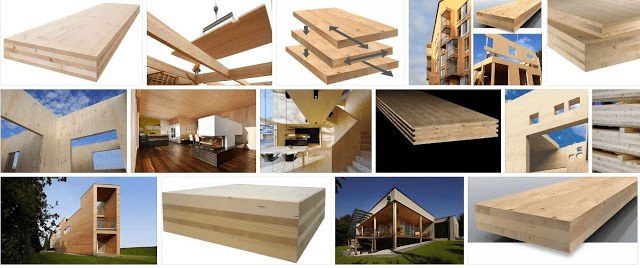
- Strength-to-weight ratio: Wood has excellent strength relative to its weight. Engineered wood (glulam, cross-laminated timber—CLT) can span large distances and support significant loads while being lighter than many alternatives.
- Flexibility in design: Wood allows for creative architectural forms, curves, and hybrid configurations. It can be engineered for precision, adjusted on site more easily than some rigid materials.
- Seismic & resilience properties: Wood’s natural flexibility helps absorb and dissipate energy, which can be advantageous in earthquake-prone or high-wind areas. Engineered wood components are designed with these forces in mind.
4. Thermal, Acoustic & Indoor Environmental Benefits
- Better insulation: Wood has natural insulating properties. Structures built with wood tend to perform well in regulating temperature, limiting heat transfer. This helps with energy efficiency and comfort.
- Acoustic performance: With proper design and engineering, wood structures dampen sound well. Engineered wood panels and assemblies can reduce noise transmission.
- Indoor environmental quality: Wood adds warmth and a human scale to interiors. It’s often considered healthier: fewer off-gassing concerns (depending on treatments), and wood can aid in moisture regulation.
5. Fire Safety, Durability & Maintenance
- Fire resistance in engineered wood: While wood is combustible, large wood sections and engineered wood constructions (like glulam or thick CLT) char on the outside, which can protect the inner core and maintain structural integrity longer than many expect. Fire retardant coatings and treatments enhance this.
- Durability with treatment: Properly designed, treated, and maintained wood resists pests, rot, and environmental damage. Structural engineering firms that specialize in wood understand how to specify the right species, sealants, and protective elements.
- Long life cycle: With good design, wood structures can last for many decades. Also, deconstruction or reuse of wood at end‑of‑life is more feasible than many composite or steel elements.
6. Aesthetics & Human Connection
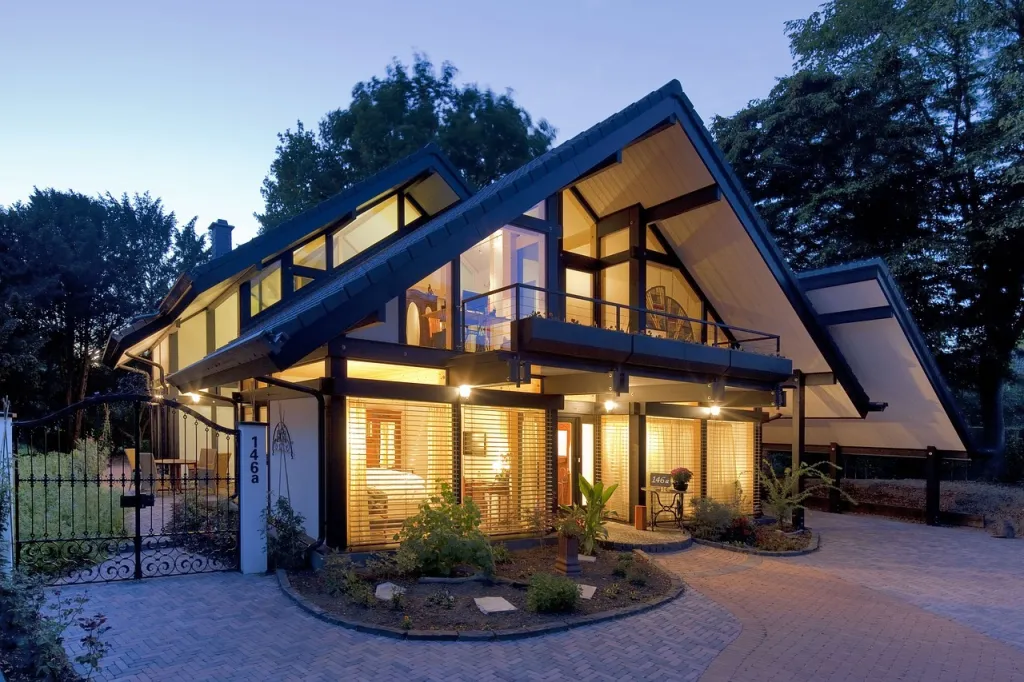
- Warm, natural feel: Exposed wood beams, natural wood textures and tones add beauty and a sense of warmth that many occupiers and architects value.
- Architectural character: Wood structure design allows visible structure, unique patterns, and combinations with glass, steel, and other materials to achieve striking visual impact.
- Psychological benefits: Studies show natural materials like wood improve occupant wellbeing, reducing stress and increasing comfort. Wood can also improve perceived air quality and visual comfort.
7. Advantages for Structural Engineering Firms
- Skill differentiation & specialization: Firms that develop expertise in wood structural engineering stand out in a market increasingly focused on sustainability. This specialization can attract clients who want modern, green designs.
- Innovation & competitiveness: With newer engineered wood products (CLT, mass timber, glulam, etc.), structural engineering firms can propose solutions that are lighter, more efficient, or that shorten schedule. These often lead to cost savings or premium design options.
- Compliance & code advancements: Building codes are evolving. Wood structures are now being allowed for taller and larger buildings in many jurisdictions. Being ahead of these regulatory changes is an advantage.
8. Environmental & Community Impact
- Reduced construction waste: Engineered wood and prefabrication result in more precise cuts, less off‑cut waste, and fewer surplus materials.
- Circularity & reuse: Wood parts are easier to disassemble or recycle. End‑of‑life buildings made of wood often have salvageable components.
- Local economy & forestry management: Using responsibly sourced local timber supports local forestry jobs, supply chains, and ensures better oversight of sustainable forest practices.
Conclusion
Choosing wood structure design brings together performance, beauty, sustainability, and smart economics. For clients, architects, and structural engineering firms, it offers a path forward in modern construction that meets stringent environmental standards without compromising strength or aesthetics.
If you’re considering a project and want a partner who understands wood structural engineering inside and out, working with an experienced structural engineering firm—one that leverages engineered wood, modern prefabrication methods, and sustainable sourcing—can make all the difference.
At GDI Engineering, we specialize in designing wood structures that maximize these benefits. Reach out to us to see how wood can elevate your next building project—structurally, environmentally, and visually.