Building Dreams, Crafting Realities

+1 346-250-7210

info@gdiengdesign.com

engineering design for commercial/residential buildings
21, Aug 2025
Engineering Today’s Buildings: Electrical Design Best Practices for Commercial & Residential Spaces

Electrical design is the hidden backbone of every modern building. Whether it’s powering a busy downtown office tower or making a family home more comfortable, a well-planned electrical system keeps everything running safely and efficiently.

In engineering design for commercial/residential buildings, electrical systems do far more than just deliver power. They shape how people use spaces, influence energy bills, and even determine how easy it will be to adapt to future technology.

This guide walks through essential best practices for electrical design in both commercial and residential settings, blending safety, efficiency, and long-term value.

What Electrical Design Means Today

At its core, electrical design is the process of planning, developing, and installing the systems that distribute electricity throughout a building. This includes wiring, outlets, lighting, circuit protection, control panels, and backup systems.
For commercial buildings, designs must handle larger electrical loads, complex distribution, and specialized equipment. In residential spaces, priorities often center on safety, convenience, and keeping utility costs low.

Best Practices for Commercial Electrical Design

Best Practices for Commercial Electrical Design

Plan for Varying Power Needs
Different parts of a building have different loads. Calculating peak demand early helps prevent outages and costly rework.

Use Energy Management Systems (EMS)
Moreover, EMS tools allow real-time monitoring and optimization of energy use. They help reduce costs while supporting sustainability goals.

Provide Reliable Backup Power
Hospitals, data centers, and mission-critical facilities require redundant systems. Therefore, generators and backup systems ensure operations never stop.

Invest in Smart Lighting Design
LED fixtures, motion sensors, and daylight harvesting can cut energy use. At the same time, they maintain comfort and brightness.

Prioritize Safety Equipment
Install protective devices like AFCIs and GFCIs. In addition, focus on high-risk areas such as kitchens, labs, and workshops.

Best Practices for Residential Electrical Design

Safety First
Follow NEC standards for wiring and breaker panel layout. Install GFCIs in kitchens, bathrooms, and laundry rooms, and AFCIs in bedrooms and living spaces.

Match the Design to Lifestyle Needs
Consider how homeowners will use each room. Home offices, entertainment areas, and high-powered kitchen appliances all require thoughtful circuit planning.

Layer Lighting for Comfort
Combining ambient, task, and accent lighting improves function and atmosphere while reducing eye strain.

Prepare for Smart Home Integration
Design with automation in mind—smart thermostats, lighting controls, and security systems are easier to add when wiring supports them from the start.

Leave Room for Renewable Energy
Pre-wiring for solar panels or battery storage makes future upgrades far simpler and more cost-effective.

Strategies That Apply to Any Building

Whether it’s a home or a commercial tower, these principles hold true:

• Do load calculations early to avoid last-minute redesigns.
• Use high-quality materials for wiring, panels, and fixtures to ensure longevity.
• Make energy efficiency a priority with modern lighting, efficient appliances, and smart controls.
• Ensure easy access to panels and junction boxes for maintenance.
• Coordinate with other trades so electrical systems work seamlessly with plumbing, HVAC, and architectural plans.

New Technologies Shaping Electrical Design

• Smart grid compatibility enables buildings to adjust energy use in response to supply and demand.
• Wireless power technology may reduce the need for extensive wiring in some applications.
• Energy storage systems improve resilience and reduce dependence on the grid.
• Advanced monitoring tools give building managers real-time insights into electrical performance.

Conclusion

Electrical design is far more than a technical checklist—it’s a foundation for how a building operates and evolves. By following best practices in engineering design for commercial/residential buildings, property owners and design teams can create systems that are safe, efficient, and ready for the future.
For professional support that blends technical expertise with forward-thinking design, visit GDI Engineering’s Electrical Engineering Services.
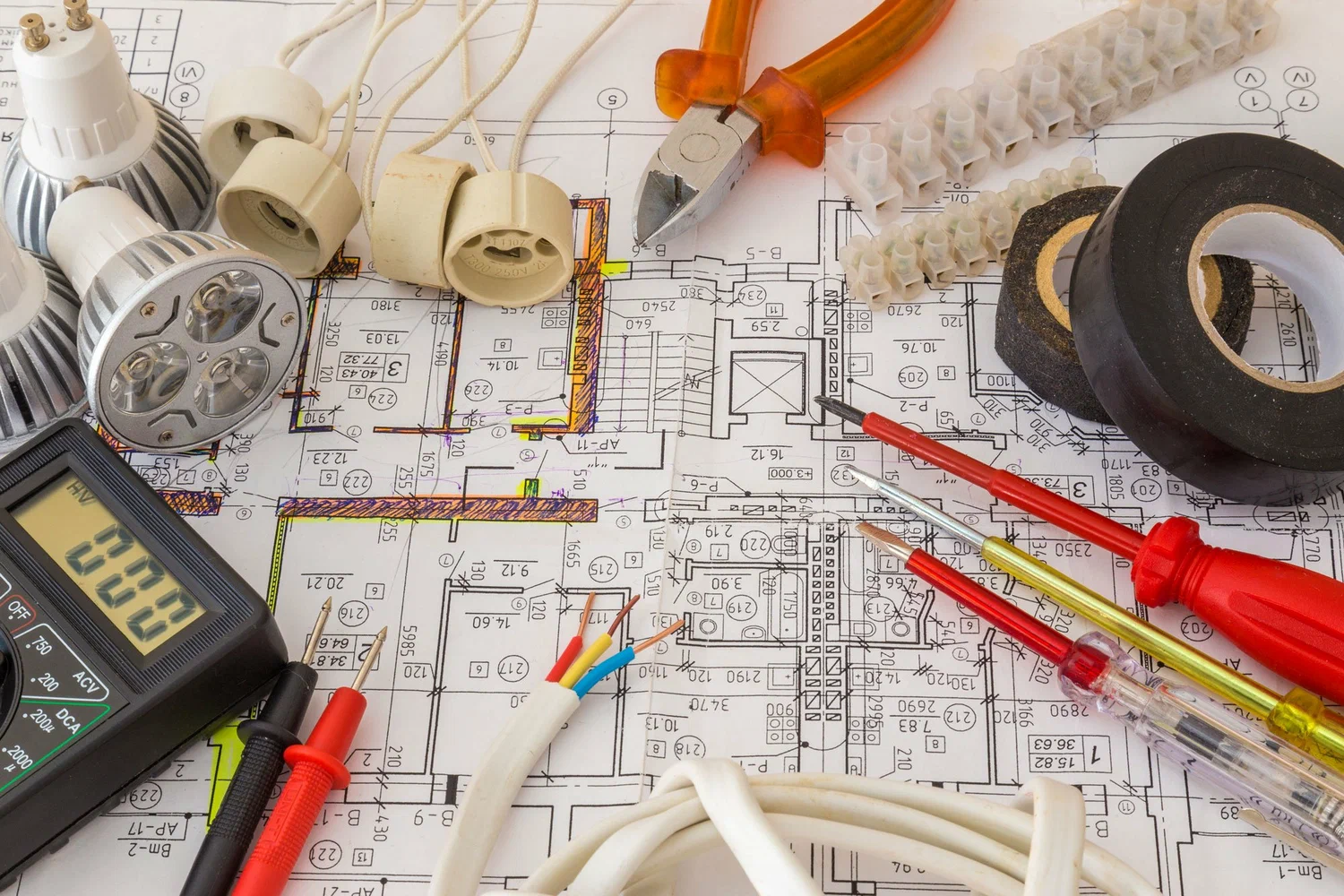

Electrical Engineering Design Services
11, Aug 2025
What Are Electrical Engineering Design Services? A Complete Guide

Electricity powers the modern built environment. From lighting and climate control to data networks and safety systems, electrical engineering design services shape how buildings function, perform, and adapt to change. Partnering with a skilled engineering consultant company ensures these systems are designed for reliability, efficiency, and compliance.

Defining Electrical Engineering Design Services

Electrical engineering design involves planning and detailing the systems that deliver and manage power in a building. This work requires both technical expertise and practical knowledge of construction and operation. Common areas include:

  • Power Distribution: Designing the routes, capacity, and safety devices that deliver electricity from the utility service to every outlet, fixture, and machine.
  • Lighting Design: Balancing illumination quality with energy efficiency, aesthetics, and occupant needs.
  • Emergency and Backup Power: Integrating generators, uninterruptible power supplies (UPS), and battery storage for resilience.
  • Low-Voltage Systems: Fire alarms, data cabling, audiovisual systems, and security.
  • Renewable Energy Systems: Solar PV arrays, wind turbines, and grid-tied storage.

The Role of an Engineering Consultant Company

An engineering consultant company provides the experience to guide projects from concept to completion. They:

  • Interpret client goals and translate them into practical designs.
  • Coordinate with architects, mechanical engineers, and contractors.
  • Ensure designs comply with local and national electrical codes.
  • Optimize layouts for performance, cost, and sustainability.

The Electrical Systems Engineering Process

Electrical systems engineering follows a methodical process:

  1. Needs Assessment: Reviewing project scope, usage patterns, and future expansion plans.
  2. Load Calculations: Determining demand for lighting, HVAC, equipment, and plug loads.
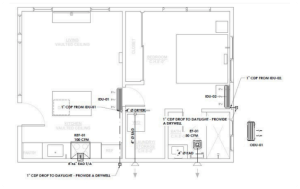
  3. Concept Design: Outlining distribution systems, control strategies, and component placement.
  4. Detailed Design: Creating schematics, specifications, and layouts for construction.
  5. Construction Support: Assisting with installation questions, inspections, and quality control.
  6. Testing and Commissioning: Verifying performance before handover.

Applications Across Sectors

Residential Projects

A structural engineer for homes equivalent in the electrical field ensures safe wiring layouts, code compliance, and provisions for home automation.

Commercial Developments

In office towers or retail spaces, design focuses on energy efficiency, adaptability for tenants, and integration with building automation.

Industrial Facilities

Electrical design must handle heavy machinery loads, process automation, and robust safety systems.

Healthcare and Education

Facilities demand redundancy, backup power, and high reliability for life safety and critical operations.

Best Practices for Effective Electrical Design

  • Right-Sizing Equipment: Oversizing wastes money and energy; undersizing risks overloads.
  • Future-Proofing: Designing spare capacity and modular systems for future needs.
  • Energy Management: Integrating metering and control systems to track and optimize use.
  • Safety First: Grounding, surge protection, and arc-fault prevention.

Case Studies

Office Tower Retrofit

A downtown high-rise replaced outdated electrical panels and lighting. The upgrade reduced energy use by 20% and improved tenant satisfaction.

Manufacturing Plant Expansion

Electrical engineers designed a new distribution system to support additional production lines. The system included redundant feeds to minimize downtime.

School District Modernization

A multi-campus project upgraded lighting to LEDs with occupancy sensors. Annual savings topped $150,000, with improved lighting quality.

Emerging Trends in Electrical Systems Engineering

  • Smart Buildings: IoT-enabled devices for remote monitoring and control.
  • Renewable Integration: Solar and wind systems combined with battery storage.
  • EV Infrastructure: Charging stations for electric vehicles integrated into site power.
  • Microgrids: Localized generation and storage for resilience.

Why Quality Electrical Design Matters

Poor design can lead to costly downtime, safety hazards, and inefficiencies. Well-executed electrical engineering design services ensure:

  • Code compliance
  • Energy efficiency
  • Operational reliability
  • Adaptability for future technology

Conclusion

Electrical systems are the lifeblood of any building. Partnering with an experienced engineering consultant company ensures your electrical systems engineering is safe, efficient, and ready for tomorrow’s needs. To learn more, visit GDI Engineering’s Electrical Engineering Services.