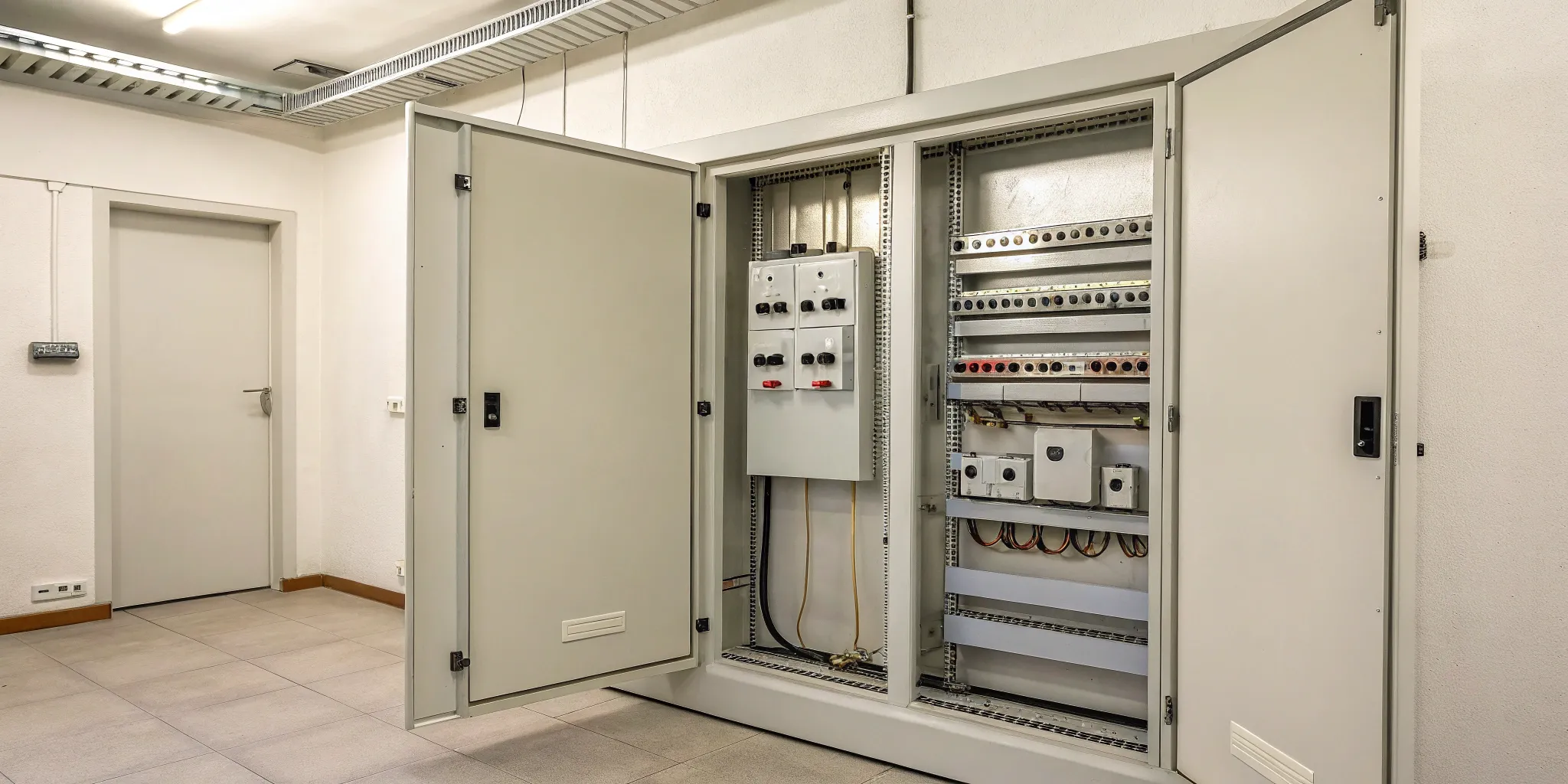
How Early Electrification Decisions Affect Space Planning, Power Loads, and Mechanical Rooms
Electrification is no longer a side conversation. For many projects, it is becoming one of the earliest decisions that shapes the design itself.
Architects are seeing this more often in both residential and commercial work. Owners may ask for an all-electric building. A project may aim for better energy performance. A jurisdiction may push toward lower-emission design. A developer may want a future-ready building. In some cases, electrification is driven by sustainability goals. In other cases, it is driven by market expectations, operating strategy, or long-term building value.
Whatever the reason, one thing is clear: early electrification decisions affect much more than equipment selection.
They affect space planning, power loads, mechanical rooms, electrical room strategy, service planning, roof use, shaft coordination, and the way architects and engineers shape the building together. If those decisions are made early, the project usually moves forward with fewer surprises. If they are made late, the team often ends up redesigning spaces that already looked finished.
That is why building electrification design is not just an engineering topic. It is a design coordination topic.
This article breaks down how early electrification decisions affect the architectural side of a project and what architects should coordinate with MEP teams before layouts, rooms, and system strategies become too fixed.
Why Electrification Has to Be a Front-End Design Decision
Many teams still treat electrification like a later technical choice.
The early design may move forward with a general building concept, and the detailed system discussion gets pushed until later. At first, that feels efficient. It keeps the project moving. But the problem shows up when the system strategy starts affecting major design elements that are already committed.
That is where teams get stuck.
An electrified project may require changes to:
- mechanical room size
- electrical room size
- service entrance strategy
- equipment placement
- roof planning
- shaft planning
- utility coordination
- structural support for equipment
- exterior wall or site impacts
- ceiling coordination
- architectural access and maintenance planning
In other words, electrification for architects is not just about saying yes to heat pumps or electric water heating. It is about understanding how those choices change the building itself.
Electrification Changes the Building Before It Changes the Equipment Schedule
One of the biggest mistakes teams make is thinking electrification starts with selecting equipment.
In reality, electrification starts much earlier. It starts when the architect and MEP team begin deciding what kind of building they are actually designing.
That decision shapes questions like:
- Will the building be fully electric or partially
electrified? - Will heating strategy change the mechanical room layout?
- Will hot water strategy affect floor area or service space?
- Does the electrical service need more planning than the project originally assumed?
- Will rooftop equipment and access become more complex?
- Does the design concept leave enough room for the chosen systems?
That is why architectural electrification planning should begin before the building is too far into design development.
1. Electrification Affects Mechanical Room Size Earlier Than Many Architects Expect
One of the first physical impacts of all-electric building design is the mechanical room.
In projects with conventional assumptions, teams may carry a mechanical room based on early precedent or a rough concept. But electrification can change those assumptions quickly.
Depending on the system strategy, the project may need:
- different HVAC equipment types
- different equipment arrangement
- different domestic hot water systems
- more buffer or storage-related planning
- new clearances
- different maintenance access expectations
- coordination with electrical infrastructure
The result is simple: the original room allowance may no longer be enough.
Why this becomes a problem
Architects often shape core spaces and back-of-house areas early. Once the building massing, unit count, lease area, circulation, or program layout gets optimized, it becomes harder to grow a mechanical room without taking area away from something else.
That is why mechanical room planning needs to happen earlier on electrified projects. What feels like a small systems decision can become a major floor-planning decision.
What architects should review early
Before locking the plan too far, architects should ask:
- What is the likely HVAC strategy?
- What is the likely domestic hot water strategy?
- Does the current mechanical room concept reflect an electrified building?
- Are service clearances being considered early enough?
- Is the room in the right location for distribution and maintenance access?
A mechanical room that is undersized in concept almost always becomes more painful later.
2. Electrification Often Increases the Importance of Electrical Room Planning
If mechanical rooms become more important, electrical rooms often become even more important.
That is because power loads in building design can shift significantly when the project leans further into electrification. The building may rely more heavily on electrical infrastructure for heating, hot water, ventilation-related equipment, and other building systems.
This does not mean every electrified building automatically becomes oversized or impossible. It means the electrical planning deserves earlier attention than many teams are used to giving it.
Common design impacts
Electrification can affect:
- main service
assumptions - switchgear space needs
- panel distribution strategy
- electrical room placement
- utility coordination
- routing paths
- coordination with
rentable or usable area - vertical distribution zones
Why architects should care
Electrical room planning is not just an engineering issue. It affects architecture directly.
If the electrical room grows, changes location, or requires a different service strategy, the architect may have to revise:
- ground floor planning
- core configuration
- corridor relationships
- service entries
- exterior wall conditions
- utility-facing spaces
This is especially important in tighter projects where every square foot matters.
Electrical room sizing cannot be treated as an afterthought on electrified buildings.
3. Heat Pump Strategies Can Influence the Building Layout More Than Expected
A lot of current electrification conversations revolve around heat pumps. And while the technology discussion matters, architects often need to focus on something more immediate: what the chosen system strategy does to the layout.
In practical terms, heat pump building design can affect:
- where equipment lives
- how much room it needs
- whether systems are centralized or more
distributed - how roofs, yards, or service spaces are used
- the amount of coordination needed in ceiling zones and shafts
- how the façade and exterior zones are affected
Why this matters in architecture
The architectural team may be working on unit planning, common spaces, program flow, or tenant layouts while the MEP team is still testing system paths. If the project later shifts to a more distributed or differently arranged system, room sizes and service spaces may no longer make sense.
That is why electrification and HVAC should be coordinated before the design becomes too polished.
Questions architects should ask early
- Is the project leaning toward centralized or distributed equipment?
- How will that affect service access?
- Does the roof or site strategy support it?
- Are there acoustical or visual impacts?
- Will the unit or room layouts still work once the real equipment strategy is applied?
The best projects do not wait until the equipment schedule is complete before asking these questions.
4. Space Planning Changes When Electric Hot Water Becomes Part of the Strategy
Domestic hot water is another area where building systems electrification can change the design conversation.
Teams often focus on heating and cooling first, but electric domestic hot water planning can affect room sizes, equipment location, access strategy, and even floor-by-floor distribution logic.
This is especially true in:
- multifamily buildings
- hotels
- mixed-use projects
- buildings with higher hot water demand
- projects with tight service space
Why this affects architects
Architects may assume the hot water system will fit inside a standard back-of-house allowance. But on electrified projects, that assumption should be tested early.
The chosen hot water strategy can influence:
- mechanical room size
- storage or equipment arrangement
- distribution path planning
- service clearances
- floor area allocation
- coordination with
structure and electrical infrastructure
What to catch early
Architects should ask the MEP team:
- Is the current room allowance realistic for the hot water strategy?
- Will the equipment be centralized or distributed?
- Does the current location create routing problems?
- Are there any floor plan impacts that should be reflected now, not later?
This is one of those issues that can stay hidden until the project is well into coordination. Catching it early can prevent a lot of redesign.
5. Roof Planning Becomes More Important on Electrified Projects
The roof is often where system strategy becomes visibly real.
On electrified projects, roof use may become more complicated because the building may need to accommodate more or different types of equipment, more careful organization, and more coordinated access planning.
That can affect:
- equipment zoning
- maintenance access
- screening strategy
- structural support assumptions
- pathways and clearances
- coordination with other
- rooftop goals
- architectural visibility and façade relationships
Why this matters to architects first
Architects often shape the roof visually and organizationally before the full MEP strategy is mature. That is understandable. But on electrified buildings, roof assumptions should stay flexible long enough for the engineering logic to catch up.
A roof that works only as an architectural composition may not work once the actual equipment plan is applied.
What architects should coordinate early
- probable equipment areas
- service and maintenance paths
- equipment visibility
- screen feasibility
- structural coordination with rooftop loads
- relationship to other roof uses
- whether the current concept leaves enough room for an electrified system layout
This is where MEP coordination electrification becomes very real. The roof is often the place where system decisions stop being abstract.
6. Shaft Planning and Vertical Distribution Need Earlier Attention
Electrification does not only affect rooms and roofs. It can also affect how systems move vertically through the building.
Depending on the strategy, the project may need different routing assumptions for:
- piping
- ductwork
- refrigerant lines
- electrical feeders
- control-related pathways
- service access zones
Architects sometimes underestimate how much these routing paths shape the plan. But once vertical distribution paths are fixed or missed, the building can become much harder to coordinate.
Why this matters
In many projects, shafts are treated as the result of design rather than part of the design. That approach becomes riskier with electrification, especially when the chosen system type changes where and how services travel.
What architects should do
Before the core layout is too fixed, the architect should confirm:
- likely vertical
distribution paths - whether the core and service zones support them
- whether shaft allowances are realistic
- whether certain program areas are blocking clean routing
This is particularly important in multifamily, hospitality, mixed-use, and taller buildings where vertical coordination drives a large part of the system logic.
7. Utility Coordination and Service Entry Should Not Be Left Too Late
Another area where electrical service planning becomes critical is utility coordination.
Electrified projects often depend more heavily on a clear service strategy. Even when the design is still evolving, the team should understand early whether the service assumptions are realistic.
Architects do not need to lead those utility conversations alone. But they do need to understand how those conversations affect the building.
Why this matters in design
Service strategy can affect:
- where the service enters the building
- how much room is needed near entry
- what the ground floor can support
- exterior wall coordination
- site planning
- utility-facing setbacks or relationships
- the location of critical service rooms
If utility coordination begins too late, it can create pressure on the part of the building that is hardest to change.
What architects should ask
- Has the project’s electrical service strategy been tested early enough?
- Does the current design support a realistic service entry path?
- Are utility-facing spaces being preserved where needed?
- Is the service room located where it should be, or just where it fit early in concept?
These questions are especially important for urban sites, tight infill lots, mixed-use buildings, and projects with limited back-of-house flexibility.
8. Electrification Can Change Cost and Area Conversations, So Layouts Need to Stay Honest
Electrification is often discussed in terms of sustainability or long-term value. But it also changes early project economics, and architects often feel that through area pressure.
If mechanical rooms grow, electrical rooms grow, roof planning becomes more complex, or service space needs more attention, the project may feel pressure in rentable or sellable area. That can make owners push for tighter back-of-house planning.
This is where projects sometimes go wrong.
The team may keep the original space assumptions for too long because nobody wants to accept the area impact early. Then, once the real system needs are understood, the project is forced into more painful compromises.
A better approach
It is better to test the true space planning and electrification relationship early than to protect an unrealistic concept too long.
Architects help the project most when they make room for reality early. That may mean:
- protecting service space before the layout is fully optimized
- allowing the MEP team to test room sizes honestly
- avoiding overconfidence in “we can make it fit later” thinking
- recognizing that electrified design may shift the building’s support-space balance
Early honesty usually saves time.
9. Electrification Affects More Than Systems. It Changes Coordination Culture.
Perhaps the biggest lesson in electrified building design is that it rewards early collaboration.
Projects that handle electrification well usually share a few traits:
- the architect and MEP engineer talk early
- system assumptions are discussed before room
sizes are fixed - service spaces are protected early
- the roof is planned with actual equipment logic in mind
- utility coordination starts before it becomes urgent
- late changes are tested for system impact
Projects that struggle often have the opposite pattern. The design looks resolved on paper, but the systems strategy is still being guessed at underneath.
That is why electrification is not just a technical shift. It is a coordination shift.
A Practical Early Electrification Checklist for Architects
Before design moves too far, architects on electrified projects should review:
Mechanical Room Planning
- Is the room sized for the real electrified system concept?
- Are clearances and access being considered early?
- Is the room in the right place for distribution?
Electrical Room Planning
- Has the likely service strategy been tested?
- Are electrical rooms
realistically sized? - Will room placement affect the plan later?
Roof and Exterior
- Is the roof concept still flexible enough for the MEP layout?
- Are equipment zones, access, and screening realistic?
- Have structural support implications been discussed?
Vertical Distribution
- Are shafts and routing paths being protected early?
- Does the core support the chosen system strategy?
- Are there program areas blocking clean distribution?
Utility Coordination
- Is service entry being considered early
enough? - Does the ground floor support the likely electrical strategy?
- Are utility-related spaces being preserved?
Overall Space Planning
- Does the current plan reflect the real support-space needs of electrification?
- Is the team protecting service areas honestly?
- Are late design changes being checked for systems impact?
This checklist is not complicated, but it can save major redesign effort later.
Final Thoughts
The biggest mistake teams make with early electrification decisions is assuming they mainly affect engineering. They do not. They affect the architecture from the beginning.
They affect:
- room sizes
- room locations
- roof organization
- service planning
- utility entry
- vertical distribution
- back-of-house area
- overall building coordination
That is why electrification for architects should be part of the early design conversation, not a detail-stage correction.
At GDI Engineering, we work with architects to support building electrification design, power load planning, mechanical room planning, and early MEP coordination that helps projects stay realistic from the start. Whether the project is multifamily, commercial, mixed-use, or another building type, early system alignment almost always leads to a stronger layout and a smoother permit path.
When electrification is addressed early, the building has a better chance of staying efficient, coordinated, and buildable. When it is pushed too late, the project often ends up paying for that delay in redesign.
That is the real value of early coordination: not just better systems, but a better building.