Why Steel Structure Design Is Essential for Durable and Efficient Buildings
Introduction
The construction industry has changed dramatically over the past few decades. Buildings are no longer simple structures designed only for shelter. Today, they must deliver performance, safety, energy efficiency, flexibility, and long-term durability. Developers want faster completion. Owners want lower operational costs. Occupants expect comfort and reliability. Governments enforce stricter safety and sustainability regulations.
Meeting all these expectations requires more than just choosing strong materials. It requires a carefully planned structural system that supports every aspect of a building’s function. This is where steel has become one of the most important materials in modern construction.
Steel is widely known for its strength, consistency, and adaptability. It allows engineers to design structures that are both lightweight and highly durable. It supports complex architectural designs while maintaining structural integrity. From skyscrapers and airports to warehouses and commercial complexes, steel is a key component of modern infrastructure.
However, the real value of steel lies not just in the material itself, but in how it is used. A poorly designed steel structure can lead to inefficiencies, safety risks, and higher costs. A well-designed structure, on the other hand, delivers long-term performance, cost savings, and reliability.
This is why Steel Structure Design is essential. It ensures that every element of a steel building is planned, analyzed, and optimized for performance. It helps engineers understand how loads are distributed, how components interact, and how the structure will behave over time.
Professional Steel Structural Engineering Services play a critical role in this process. They provide the expertise needed to transform design concepts into practical, buildable systems. They ensure compliance with codes, improve efficiency, and reduce risks during construction.
At the same time, Steel Structural Engineering focuses on the science behind structural performance. It involves analyzing forces such as gravity, wind, and seismic activity and designing systems that can withstand them safely.
This is particularly important in commercial steel structure design`, where buildings must support heavy usage, large open spaces, and constant operational demands. A strong structural design ensures that these buildings remain safe and efficient throughout their lifespan.
In this blog, we will explore why steel structure design is essential for durable and efficient buildings. We will look at its role in improving strength, efficiency, sustainability, and long-term value.
Understanding Steel Structure Design in Depth
Steel structure design is not
just about selecting beams and columns. It is a detailed engineering process that involves planning, analysis, and coordination. Every decision made during this process affects the performance, cost, and durability of the building.
At its core, Steel Structure Design focuses on creating a system that can safely carry loads. These loads include the weight of the building itself, the people and equipment inside it, and environmental forces such as wind and earthquakes.
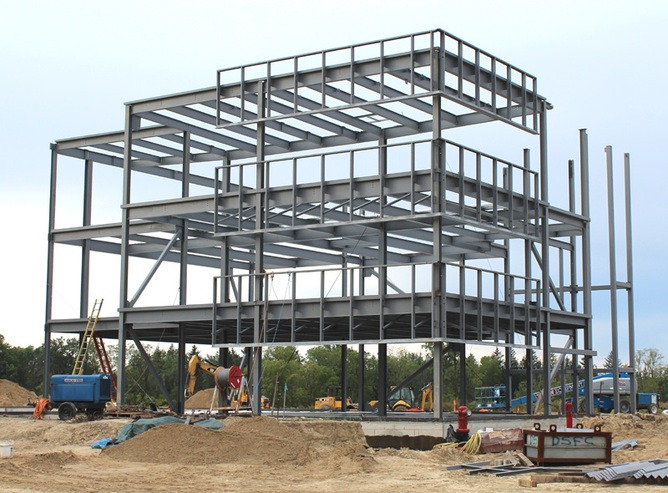
Engineers use Steel Structural Engineering principles to calculate these loads and determine how they move through the structure. They design beams, columns, and braces to handle these forces efficiently.
Connections are another critical part of the design. They determine how different components interact. A strong connection ensures that loads are transferred safely from one element to another.
Professional Steel Structural Engineering Services also consider constructability. This means designing structures that can be built efficiently on-site. Clear and practical designs reduce errors, delays, and additional costs.
The Strength Advantage of Steel Structures
One of the biggest reasons steel is used in construction is its strength. Steel can handle heavy loads without requiring large structural elements. This makes it possible to create buildings that are both strong and efficient.
A well-planned Steel Structure Design ensures that this strength is used effectively. Engineers calculate loads accurately and design components to handle them safely.
Steel also performs well under extreme conditions. It can withstand high winds, seismic forces, and heavy usage. This makes it ideal for buildings that require high levels of reliability.
Through proper Steel Structural Engineering, structures can be designed to maintain stability even under challenging conditions. This reduces the risk of failure and improves overall safety.
Efficiency Benefits of Steel Structural Engineering
Efficiency is a key factor in modern construction. Developers want projects completed quickly and within budget. Steel offers several advantages in this regard.
One of the main benefits is prefabrication. Steel components can be manufactured in controlled environments and then assembled on-site. This reduces construction time and improves quality.
Steel Structural Engineering Services ensure that these components are designed accurately. This allows for precise fabrication and faster assembly.
Steel structures are also lightweight compared to traditional materials. This reduces foundation requirements and lowers construction costs.
Another advantage is design flexibility. Steel allows for large spans and open spaces. This is especially important in commercial steel structure design, where flexibility is often required.
Durability and Longevity of Steel Structures
Durability is one of the most important aspects of any building. A structure must be able to withstand environmental conditions and maintain its performance over time.
Steel structures are highly durable when properly designed and protected. They are resistant to pests, rot, and many forms of deterioration.
Protective coatings and treatments help prevent corrosion and extend the lifespan of steel structures. Steel Structural Engineering Services ensure that these measures are included in the design.
A strong Steel Structure Design also reduces maintenance requirements. This leads to lower long-term costs and improved reliability.
Steel in Commercial Construction
Commercial buildings have unique requirements. They often need large open spaces, high load capacity, and flexibility for future modifications.
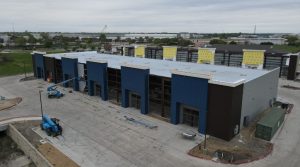
Commercial steel structure design is well-suited for these needs. Steel allows for wide column spacing, creating open and adaptable spaces.
It also supports heavy equipment and high occupancy levels. This makes it ideal for offices, warehouses, and industrial facilities.
Speed is another important factor in commercial construction. Steel systems allow for faster project completion, helping developers meet tight deadlines.
Sustainability and Environmental Benefits
Sustainability is becoming a major focus in construction. Steel offers several environmental benefits.
It is fully recyclable, which reduces waste and supports sustainable practices. Many steel components can be reused or recycled at the end of their lifecycle.
Efficient Steel Structure Design also minimizes material usage. This reduces the overall environmental impact of the project.
Steel structures can support energy-efficient systems, contributing to lower energy consumption during operation.
Challenges in Steel Structure Design
Despite its advantages, steel construction comes with challenges.
Corrosion is a major concern. Steel must be protected to maintain its integrity.
Fire resistance is another issue. Steel loses strength at high temperatures, so fire protection measures are necessary.
Cost fluctuations can also affect projects. Steel prices can vary, impacting budgets.
Professional Steel Structural Engineering Services help address these challenges by incorporating protective measures and optimizing designs.
Best Practices for Steel Structural Engineering
To achieve the best results, certain practices should be followed.
Early planning is essential. It allows for better coordination and optimization.
Collaboration between engineers, architects, and contractors improves project outcomes.
Using advanced tools improves accuracy and efficiency.
Maintaining quality control ensures that materials and construction meet required standards.
Future of Steel Structural Engineering
The future of steel construction looks promising. Advances in technology and materials are opening new possibilities.
Smart structures with integrated sensors are becoming more common. These systems allow for real-time monitoring of structural performance.
Modular construction is also gaining popularity. Prefabricated components improve efficiency and reduce construction time.
Sustainability will continue to be a major focus. Engineers are developing new methods to reduce environmental impact.
Conclusion
Steel has become a cornerstone of modern construction due to its strength, efficiency, and versatility.
However, its true potential can only be realized through proper design. Steel Structure Design ensures that buildings are safe, durable, and efficient.
Through expert Steel Structural Engineering, engineers create systems that optimize performance and reduce costs. Professional Steel Structural Engineering Services provide the expertise needed to deliver successful projects.
In commercial applications, commercial steel structure design supports large-scale, high-performance buildings.
Investing in quality structural engineering is essential for long-term success. Steel structure design is not just a process—it is the foundation of durable and efficient buildings.