
How Weather and Environmental Conditions Contribute to Construction Accidents
Introduction
Construction does not stop when the weather changes.
Projects continue through heat waves, heavy rain, high winds, and freezing temperatures.
Unlike indoor industries, construction sites are constantly exposed to the environment.
That exposure introduces risks that are often underestimated.
Weather and environmental conditions affect:
- Worker performance
- Equipment stability
- Material integrity
- Site accessibility
When these factors are not properly managed, accident risks increase dramatically.
Understanding how weather contributes to construction injuries helps teams prepare instead of react.
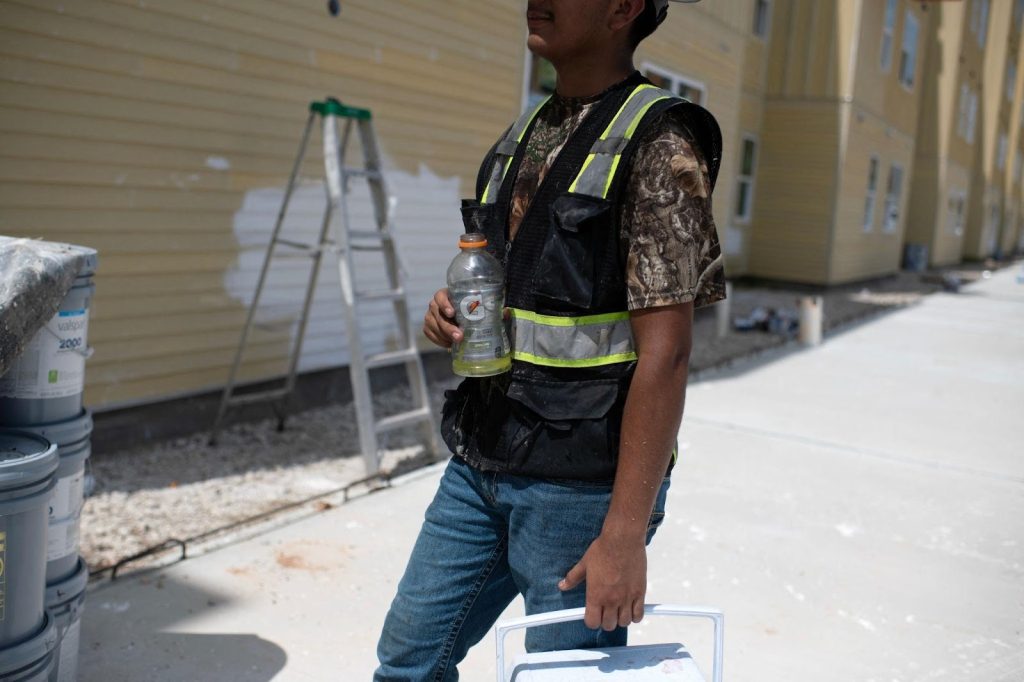
Heat Stress and Dehydration
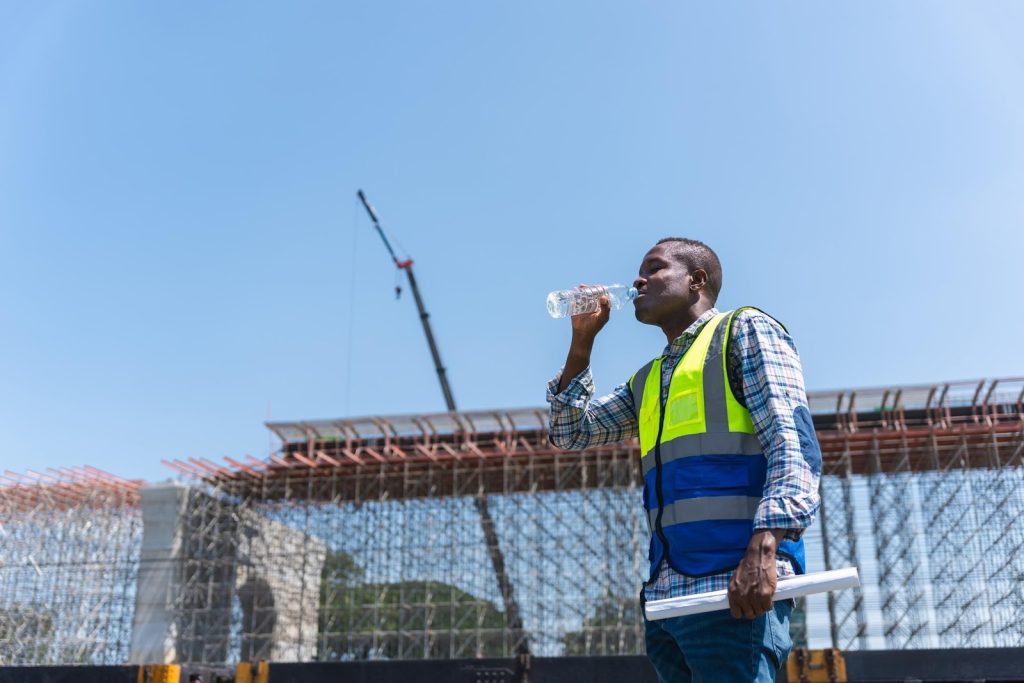
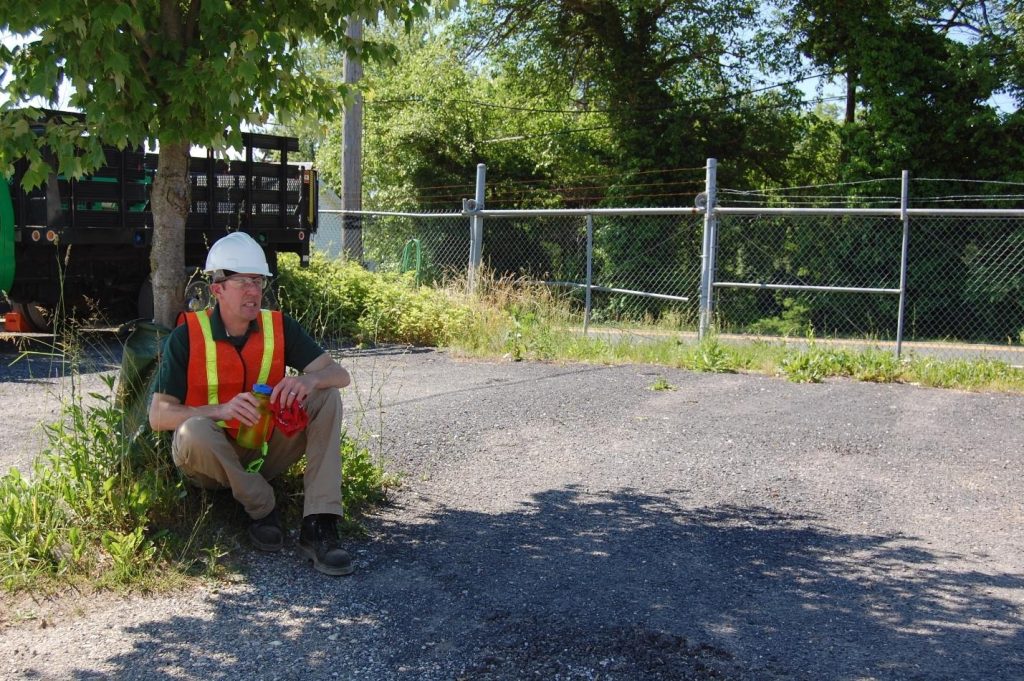
4
High temperatures are more than uncomfortable.
They are dangerous.
Prolonged exposure to heat can lead to:
- Heat exhaustion
- Heat stroke
- Dehydration
- Reduced concentration
When workers become fatigued or dizzy, accident risk rises.
Reaction times slow.
Judgment declines.
Heavy PPE can trap heat.
Physical labor increases body temperature quickly.
How Heat Leads to Accidents
- Missteps at heights
- Poor equipment handling
- Slower emergency
- response
- Increased irritability and poor decisions
According to the Occupational Safety and Health Administration, employers must protect workers from heat-related hazards.
Prevention Strategies
- Provide shaded rest areas
- Enforce hydration breaks
- Adjust schedules to avoid peak heat
- Monitor workers for early symptoms
Heat management saves lives.
Cold Weather and Ice Hazards
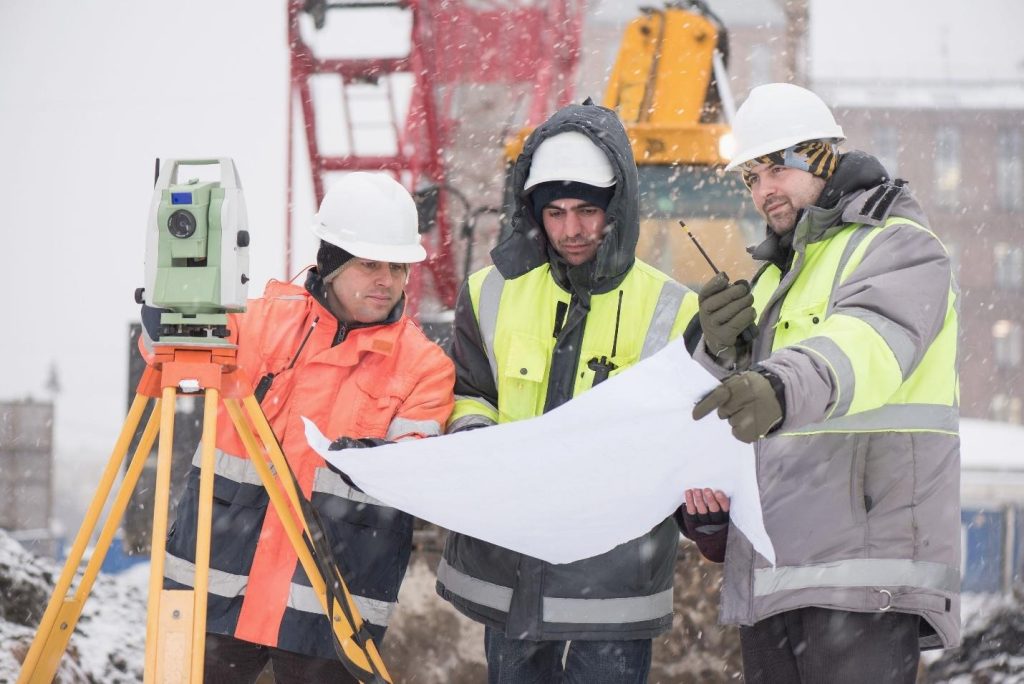
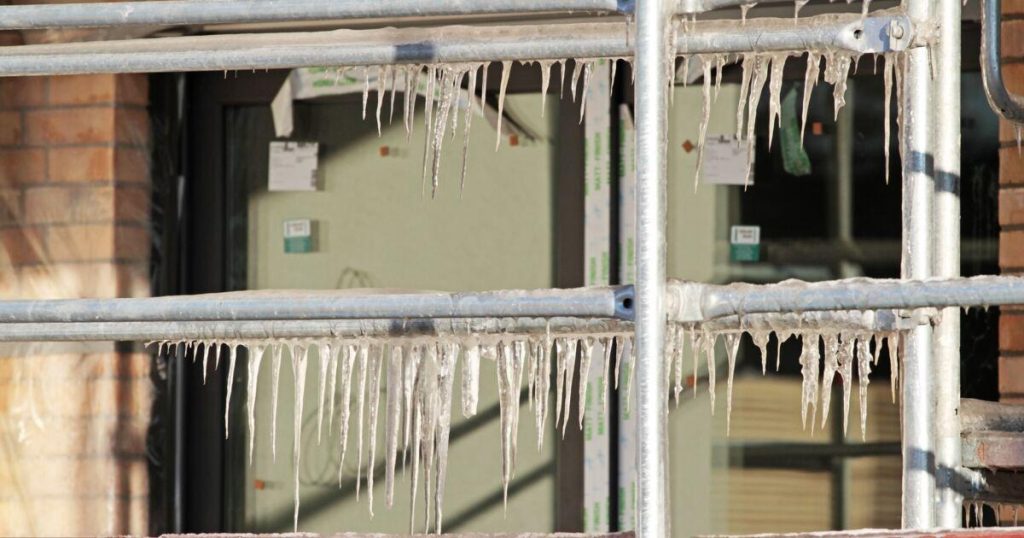
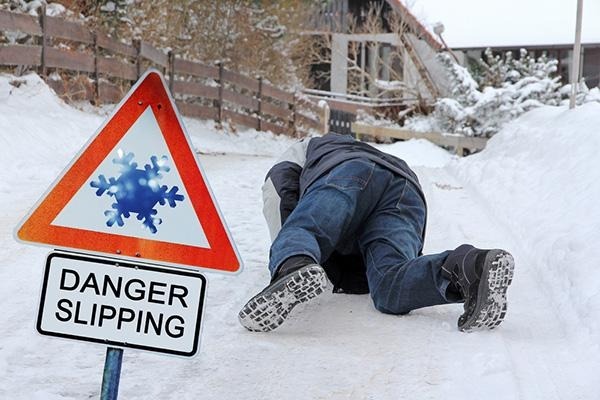
Cold temperatures create a different set of hazards.
Icy surfaces increase slip-and-fall risks.
Snow can conceal holes or uneven ground.
Frozen materials become brittle.
Workers wearing bulky winter clothing may have reduced mobility.
Gloves can reduce grip strength.
How Cold Conditions Increase Injuries
- Slips on scaffolding or ladders
- Frostbite and hypothermia
- Equipment malfunction due to frozen fluids
- Reduced dexterity leading to tool misuse
Wind chill intensifies cold exposure.
Extended outdoor work increases vulnerability.
Prevention Strategies
- Clear ice and snow regularly
- Use anti-slip footwear
- Warm up machinery before use
- Rotate crews to limit exposure time
Cold-weather planning is essential, not optional.
Rain and Poor Visibility
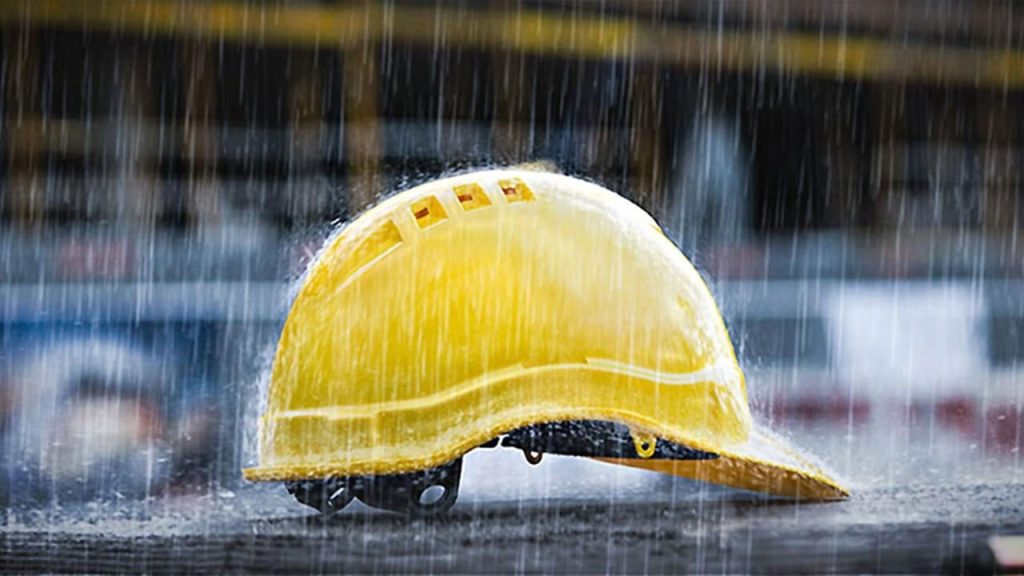
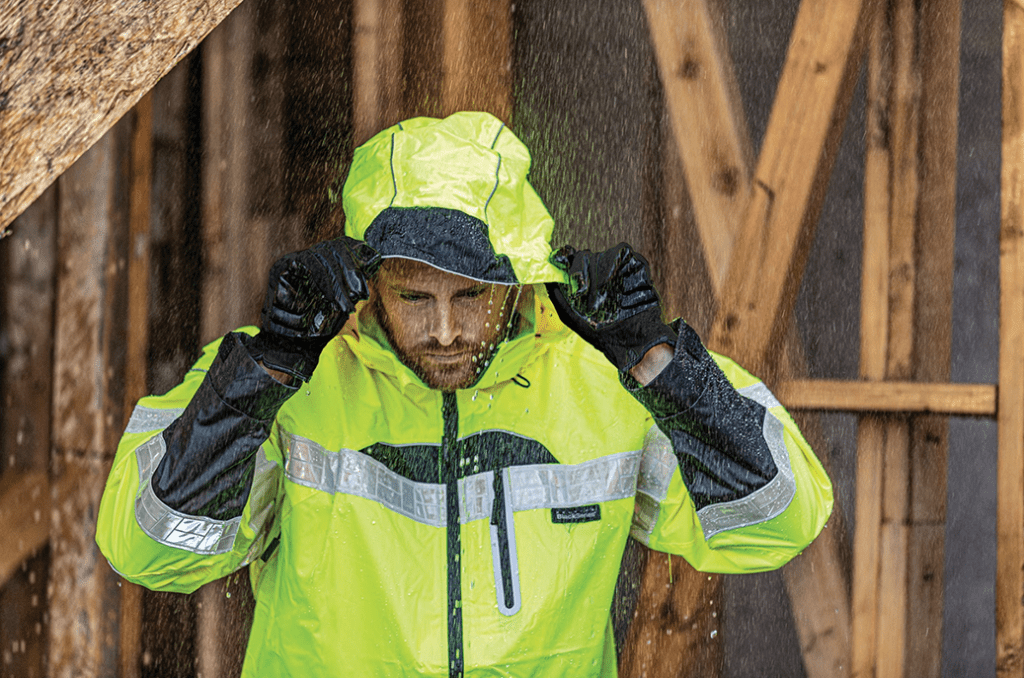
Rain affects more than comfort.
It transforms site conditions quickly.
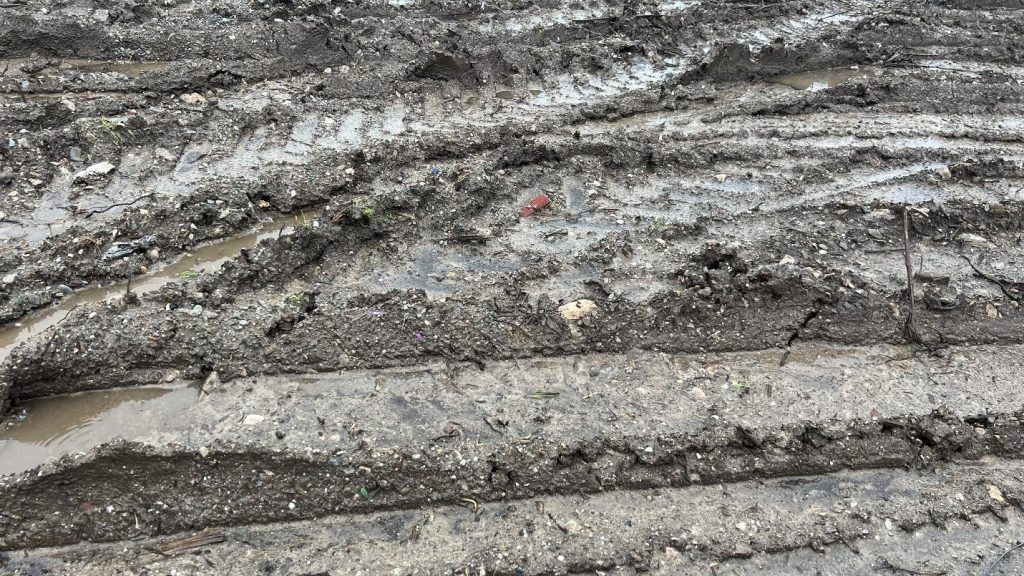
Wet surfaces increase slip hazards.
Mud reduces traction for vehicles and equipment.
Water accumulation can destabilize trenches.
Electrical hazards also rise in wet conditions.
Exposed wiring becomes more dangerous.
Risks Associated with Rain
- Equipment skidding
- Trench collapses
- Reduced visibility for operators
- Electrical shock
Drainage systems must be functional before storms occur.
Waiting until after heavy rain increases risk.
High Winds and Falling Objects
Wind is unpredictable.
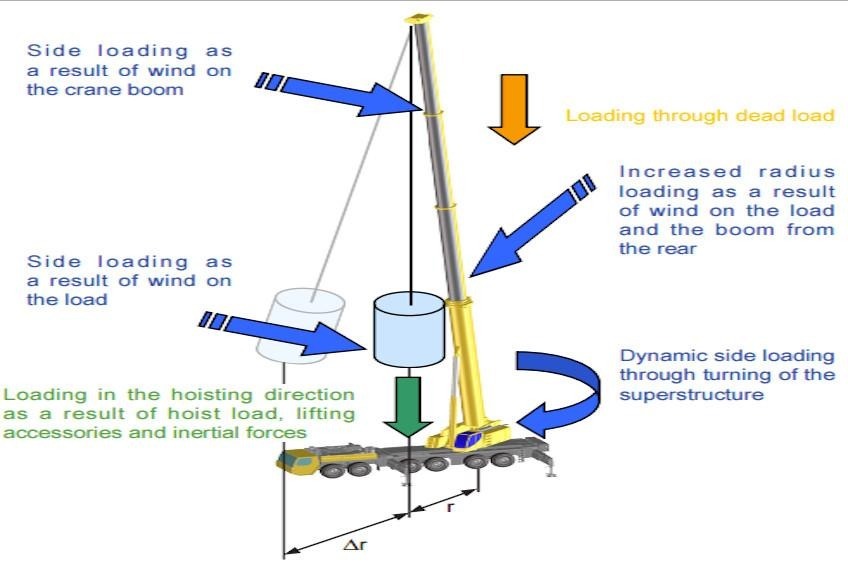
It can shift loads without warning.
High winds affect:
- Crane stability
- Suspended loads
- Scaffolding integrity
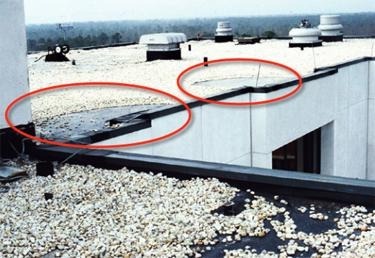
- Loose materials
Even moderate gusts can turn debris into projectiles.
Wind-Related Accident Risks
- Falling objects striking workers
- Crane tip-overs
- Scaffold collapse
- Loss of balance at heights
Wind thresholds should be clearly defined for crane operations.
Lifting should stop when conditions exceed safe limits.
Securing materials daily reduces exposure.
Lightning and Severe Storms
Thunderstorms introduce electrical danger.
Metal structures, cranes, and scaffolding can attract lightning.
Workers at elevated positions are especially vulnerable.
Heavy storms also reduce visibility and ground stability.
Key Risks
- Direct lightning strikes
- Power surges through temporary electrical systems
- Flash flooding
- Sudden wind shifts
Weather monitoring tools help identify approaching storms early.
Work should pause when lightning is within a defined radius.
Ignoring storm warnings can have fatal consequences.
Poor Air Quality and Environmental Exposure
Environmental conditions extend beyond temperature and precipitation.
Dust, smoke, and airborne particles can impair breathing.
Wildfire smoke or nearby industrial emissions increase respiratory risk.
Long-term exposure may cause chronic health problems.
Short-term exposure can reduce focus and stamina.
Poor air quality contributes to:
- Fatigue
- Headaches
- Reduced visibility
- Increased respiratory strain
Respiratory protection and monitoring are essential during high-exposure periods.
Soil Conditions and Ground Instability
Weather significantly impacts soil stability.
After heavy rain, soil becomes saturated.
Saturated soil increases trench collapse risk.
Dry conditions may cause loose dust and unstable surfaces.
Uneven terrain increases equipment rollover risk.
Soft ground may not support heavy machinery.
Ground assessments should occur daily during unstable weather cycles.
Assumptions about soil stability can be deadly.
Reduced Daylight and Seasonal Changes
Shorter daylight hours in winter create visibility challenges.
Poor lighting increases:
- Trip hazards
- Equipment collisions
- Misjudged distances
- Delayed hazard
recognition
Temporary lighting must be adequate and properly positioned.
Burned-out bulbs should be replaced immediately.
Darkness increases risk when not properly managed.
Human Factors Amplified by Weather
Weather affects mental and physical performance.
Extreme heat increases irritability.
Cold reduces tactile sensitivity.
Wind creates distraction.
Environmental stress compounds existing fatigue.
Workers may rush tasks to escape harsh conditions.
This leads to shortcuts and unsafe decisions.
Supervisors must recognize behavioral shifts linked to weather exposure.
Regulatory and Safety Responsibilities
The Occupational Safety and Health Administration requires employers to provide workplaces free from recognized hazards.
Weather-related risks fall under this obligation.
Employers must:
- Assess environmental hazards
- Provide appropriate PPE
- Train workers on seasonal risks
- Adjust operations when conditions become unsafe
Compliance alone is not enough.
Proactive planning reduces liability and injuries.
Best Practices for Managing Weather Risks
Effective weather safety programs include structured planning.
1. Monitor Forecasts Daily
Use reliable weather tracking tools.
Plan high-risk activities accordingly.
2. Develop a Severe Weather Plan
Define shutdown criteria.
Establish evacuation procedures.
3. Adjust Work Schedules
Shift heavy labor to cooler hours.
Limit exposure during extreme cold.
4. Improve Site Drainage
Maintain grading and water flow systems.
Prevent pooling near work zones.
5. Secure Materials and Equipment
Anchor lightweight materials.
Inspect scaffolding regularly.
6. Provide Proper PPE
Heat-resistant gear.
Cold-weather clothing.
Slip-resistant footwear.
Respiratory protection when necessary.
Prepared sites handle weather better.
Leadership and Safety Culture
Weather risks require leadership attention.
If supervisors ignore forecasts, crews follow.
If management pushes production during unsafe conditions, accidents rise.
Safety culture must empower workers to pause operations when conditions deteriorate.
Clear communication prevents confusion.
Decisive leadership prevents tragedy.
Conclusion
Weather and environmental conditions are unavoidable in construction.
But accidents related to them are not.
Heat leads to fatigue and dehydration.
Cold creates slip hazards and equipment issues.
Rain destabilizes soil and increases electrical risk.
Wind and storms threaten structural integrity.
Environmental exposure compounds human error.
It magnifies existing safety weaknesses.
The solution lies in preparation.
Daily monitoring.
Clear shutdown criteria.
Proper PPE.
Strong leadership.
Construction will always face the elements.
But with proactive planning, weather becomes manageable—not catastrophic.
Safety does not stop when the forecast changes.
It becomes even more critical.