How to Design an EV Charging Station That Gets Permit Approval Fast
Introduction
With the EV market booming in 2025, developers and property owners are racing to install electric vehicle (EV) charging stations. However, getting permits approved quickly can be a challenge without proper planning. Designing an EV charging station that aligns with local codes, utility standards, and user needs is the key to fast-track approvals. This blog breaks down how EV charging design services can help speed up the permitting process ensuring your project gets built without delay.
Understand Local Permitting Requirements First
The first step in designing an EV charging station is understanding what your Authority Having Jurisdiction (AHJ) requires. Permitting can vary dramatically by city, state, or utility provider.
Typical permit requirements include:
Electrical load calculations
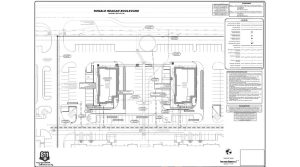
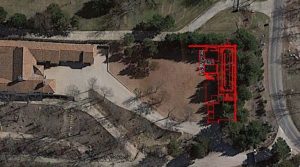
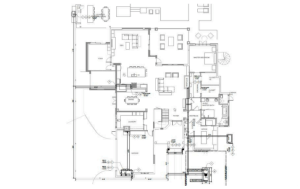
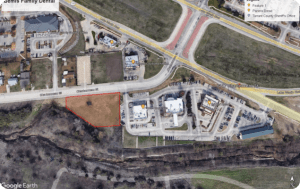
Site plans with charger placement
ADA compliance layouts
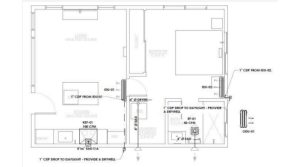
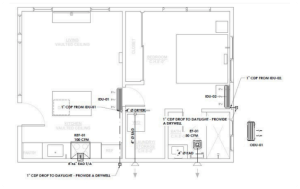
One-line diagrams for utility coordination
Proof of utility service capacity
Consulting with an expert in EV charging electrical design can help identify requirements early.
Choose the Right Type of Charging Station
The charger type will influence everything from design to permitting. Common options include:
Level 2 Chargers (240V): Ideal for workplaces, commercial sites, and multifamily housing
DC Fast Chargers: Suited for highways, fleet depots, and commercial sites needing rapid turnover
Each requires different wiring, conduit sizing, and utility connections—important elements for permit review.
Prioritize Site Layout and Accessibility
EV charging station design must prioritize:
ADA accessibility for at least one charger
Traffic flow and parking stall layout
Safety clearances from buildings, curbs, and pedestrian paths
Submitting a clean, code-compliant layout with your permit package increases the chance of fast approval.
Perform Accurate Electrical Load Analysis
Electrical service upgrades can delay projects if not planned correctly. A professional EV charging engineering service will:
Calculate total system demand
Coordinate with utilities on load capacity
Identify panel or transformer upgrades if needed
Load analysis is often required for the electrical permit and utility coordination.
Include EV Charging in Your Site’s Overall Electrical Design
Don’t treat EV chargers as an afterthought. Integrate them into your site’s full electrical design from the beginning. This improves:
Panel board space planning
Trenching and conduit layout efficiency
Easier expansion planning for future chargers
Proper coordination streamlines approvals and construction.
Use Clear One-Line Diagrams and Specs
One of the most common delays comes from unclear electrical documentation. Your EV charging electrical design should include:
Accurate, professional one-line diagrams
Conductor and conduit sizing
Breaker sizing and protection
Equipment cut sheets for chargers and panels
Clear plans help plan checkers approve permits faster.
Consider Pre-Approved Equipment and Utility Partnerships
Some utilities or AHJs have pre-approved EVSE (electric vehicle supply equipment) lists. Using these can:
Reduce documentation requirements
Speed up utility review
Simplify inspections
Your EV charging engineering service should be aware of local pre-approvals.
Choose a Design Firm Experienced in Permitting
The most efficient way to fast-track approval is by working with a firm that offers full EV charging design services and has experience navigating local permitting offices. These firms often:
Know what reviewers want to see
Submit complete, accurate packages
Respond quickly to redline comments
Conclusion
Fast permitting for EV charging stations comes down to smart design and documentation. By working with a qualified EV charging engineering service, integrating EV needs into the site’s full electrical plan, and anticipating jurisdictional requirements, you can dramatically cut permit delays.
If you’re looking to install EV chargers quickly and cost-effectively, start with expert EV charging design services tailored for compliance and constructability.
Make permitting the smoothest part of your EV charging project by designing it right the first time.