
7 Key Reasons Why an MEP Consulting Firm Is Essential for Construction Projects
Introduction
In today’s fast-paced construction landscape, efficiency, safety, and sustainability are top priorities. Mechanical, Electrical, and Plumbing (MEP) systems form the core of building functionality, impacting everything from energy consumption to occupant comfort. This is where MEP consultants become indispensable. But why do construction projects need MEP consultants, and is an MEP consulting firm really necessary for success?
This blog outlines seven compelling reasons why hiring MEP consultants for construction projects isn’t just a smart move it’s a critical one.
1. Integrated System Design from the Start
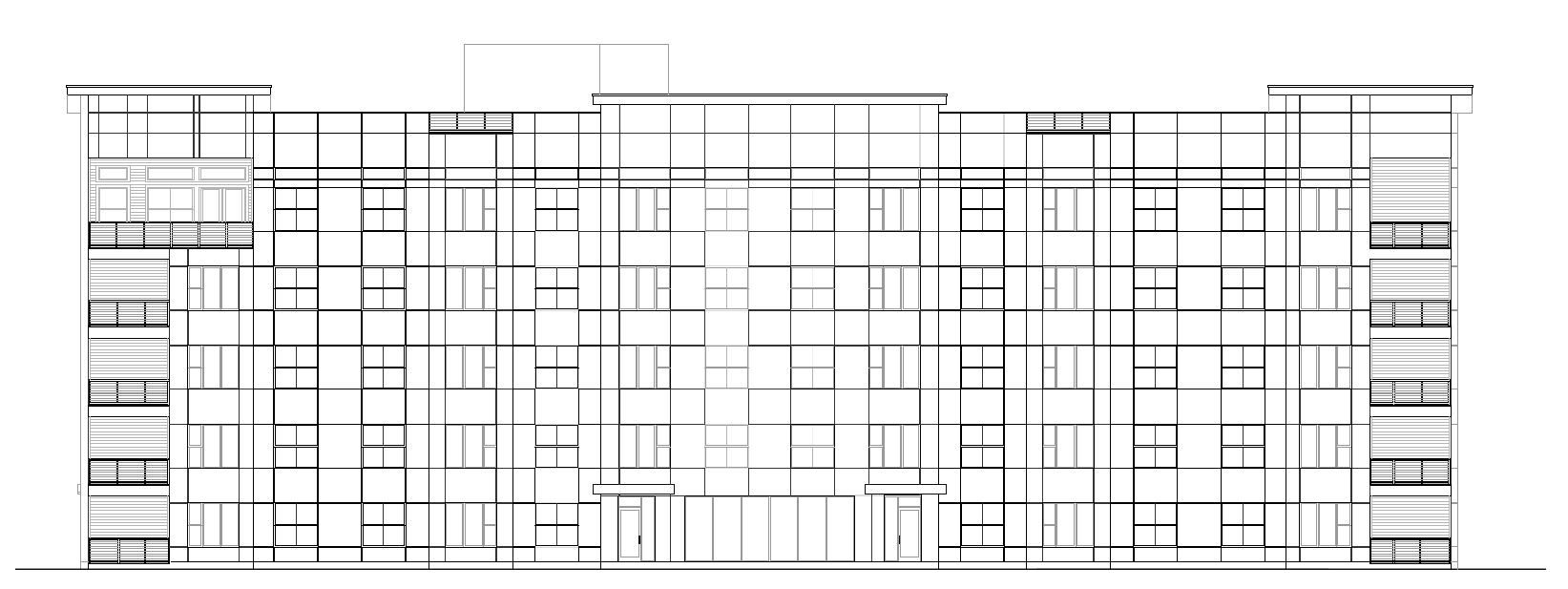
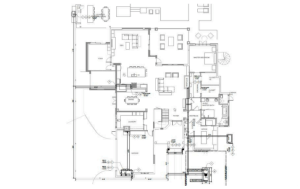
MEP consultants bring systems thinking to the early stages of design. By integrating mechanical, electrical, and plumbing solutions with architectural and structural plans from day one, they: – Prevent future conflicts and rework – Enhance energy efficiency – Improve space utilization Integrated system design
This proactive approach minimizes costly changes during construction and streamlines the project timeline.
2. Expertise in Code Compliance and Permitting
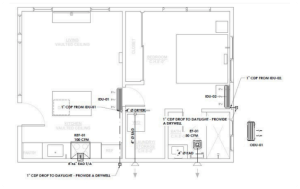
Navigating the web of building codes, zoning regulations, and permitting processes can be overwhelming. MEP consultants: – Ensure all systems meet international and local codes (e.g., IBC, NEC, ASHRAE) – Coordinate with AHJs (Authorities Having Jurisdiction) – Speed up permitting and approval timelines
Their up-to-date knowledge of evolving standards is crucial for legal compliance and smooth project progression.
3. Energy Efficiency and Sustainability Optimization
With growing emphasis on green building practices, MEP consultants play a pivotal role in sustainable design. Their responsibilities include: – HVAC system optimization – Water conservation through efficient plumbing fixtures – Lighting design for reduced energy consumption
Many firms are also LEED-accredited and help projects qualify for green certifications.
4. Accurate Cost Estimation and Value Engineering
MEP systems can account for up to 30% of a building’s construction costs. Consultants help manage budgets through: – Precise material takeoffs and cost projections – Life-cycle cost analysis – Alternatives for better cost-to-performance ratios
Value engineering ensures that every dollar spent contributes to long-term performance without sacrificing quality.
5. BIM Modeling and Clash Detection
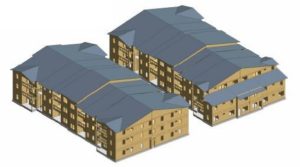
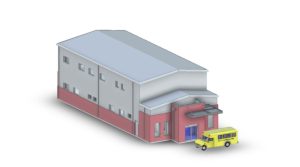
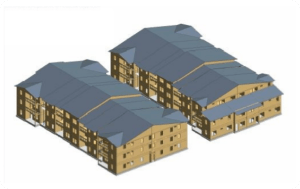
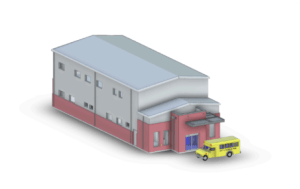
Building Information Modeling (BIM) has revolutionized construction coordination. MEP consulting firms use BIM to: – Create detailed 3D models of MEP systems – Detect and resolve clashes before construction – Enhance collaboration among stakeholders
This digital coordination reduces onsite delays and improves construction accuracy.
6. Risk Mitigation and Quality Control
Poorly designed MEP systems can lead to costly errors, system failures, and safety hazards. Consultants mitigate risk by: – Conducting peer reviews – Establishing QA/QC protocols – Monitoring construction to ensure adherence to design
Their oversight protects against liability and ensures systems function as intended.
7. Post-Construction Support and Commissioning
The role of MEP consultants doesn’t end when construction is complete. They provide post-construction services such as: – Systems commissioning – Performance testing and balancing – Maintenance planning
This ensures that buildings operate efficiently from day one and continue to perform optimally over time.
Conclusion
So, is an MEP consulting firm necessary for construction? Absolutely. The role of MEP consultants in modern construction is not only valuable it’s essential. From pre-design coordination to post-occupancy support, they add expertise, reduce risk, and drive sustainable outcomes.
Engaging qualified MEP consultants for construction projects enhances every phase of the build. Whether it’s code compliance, BIM modeling, or cost optimization, their input is vital to project success. As buildings grow more complex and regulations more stringent, having the right MEP partner can make all the difference.